Song Meaning
The lyrics paint a vivid picture of a narrator grappling with a resurfaced memory of a past relationship, specifically focusing on a woman who has transitioned from girlhood to womanhood. The opening lines immediately establish a sense of recollection, urging the listener not to forget this figure who has re-emerged from the past. This re-emergence triggers a flood of memories about shared experiences, suggesting a time when their connection felt enduring, perhaps symbolized by the simple act of playing together.
The central tension lies in the narrator's realization of how little he truly understood the person he was with. The repeated phrase "I never knew her / Not at all" underscores a profound sense of regret and missed opportunity. He recalls a time when she was "all mine," yet this possession was superficial, lacking genuine comprehension of her true self. This realization is amplified by the stark contrast between the innocent "girl" who "played in my garden" and the "lady" who is now "a journey away," having departed "in a sudden" manner.
The narrator's current emotional state is a mix of longing and determined optimism. He wonders about her current feelings and whether she cherishes their shared past, expressing a hope that he "mean[s] very much to her." This yearning fuels a resolute declaration: "Now I've got my chance / And I'm gonna take it." He's convinced that no obstacle will prevent him from winning her back, believing "She'll have me back / So we're together." This conviction, however, is built upon the foundation of his past ignorance, creating an intriguing paradox.
Ultimately, the effectiveness of these lyrics stems from their raw portrayal of regret and the hopeful, almost desperate, pursuit of a second chance. The simple, evocative imagery of a garden and the stark shift from "girl" to "lady" ground the emotional narrative. The narrator's unwavering belief in his ability to recapture what was lost, despite his past failures to truly know her, makes for a compelling, if perhaps naive, expression of enduring affection and the persistent hope for reconciliation.
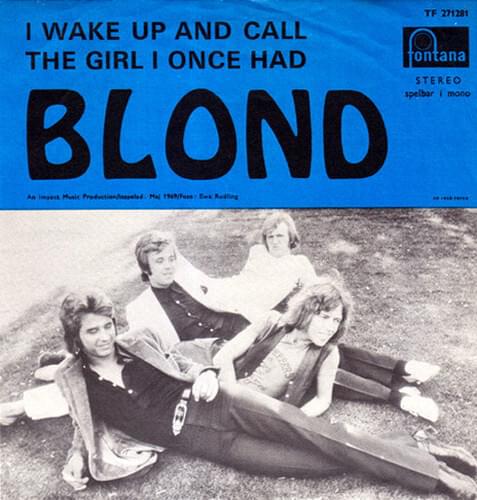
 View Artist