Song Meaning
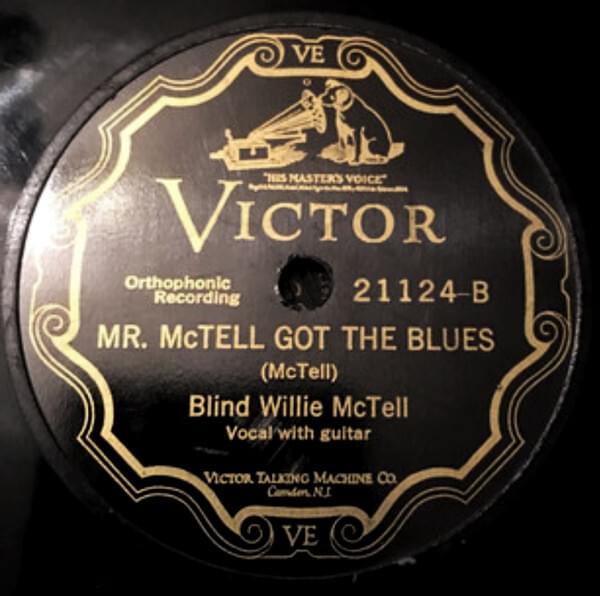
The narrator is packing up and leaving town, a decision born from a cycle of self-destructive behavior and a sense of being misunderstood. The opening lines, "I'm leaving town, baby, gonna leave my home," establish a clear departure, driven by a desire to go "where I'm better known." This suggests a feeling of alienation or a lack of recognition in his current surroundings, pushing him towards an unknown destination.
The core of the narrator's distress seems to stem from a pervasive weariness and a reliance on vices. He's "walked these blocks" until he needs new shoes, a literal hardship that gets tied to his emotional state: "And that is why Mr. McTell got the blues." The repetition of his drinking, "Got drunk last night, mama, and the night before," highlights a pattern he seems unable to break, hinting that his current path might lead to his demise if he doesn't change course. The lyrics explicitly state, "Cigarettes is my ruin, whiskey is my crave," directly linking his vices to his downfall.
The craft here is in its stark, almost fatalistic repetition and direct confession. The repeated phrases, like "I'm leaving town, baby, gonna leave my home," create a hypnotic, bluesy rhythm that underscores the cyclical nature of his problems. The direct assertion, "Cigarettes is my ruin, whiskey is my crave," is blunt and unadorned, mirroring the raw emotional state. The final line, "Some of these nice‑looking women going to carry me to my grave," adds a layer of external temptation to his internal struggles, painting a picture of a man caught between his own destructive habits and the allure of fleeting pleasures.
This song hits hard because of its unflinching honesty about personal demons and the feeling of being trapped. The narrator isn't asking for pity; he's stating facts about his life and his impending departure. The bluesy resignation, combined with the specific, tangible details like worn-out shoes and the craving for whiskey, makes his predicament feel immediate and deeply felt, capturing a specific kind of weary, self-aware despair.
 View Artist