Song Meaning
This track opens with a narrator seeking answers from a gypsy, a classic trope for confronting fate. The initial fortune is grim, a "doggone my hard luck soul," setting a tone of deep-seated misfortune. The repetition of the fortune-telling attempt immediately establishes a cycle of seeking external validation or solutions for an internal problem. The narrator isn't just looking for luck; they're trying to outrun a perceived destiny of hardship.
The narrative quickly pivots from misfortune to a different kind of prediction. The second gypsy foretells romantic abundance: "a woman every place I go." This contrast between bad luck and good fortune, specifically romantic luck, suggests the narrator's core anxieties might be tied to relationships and companionship. The emphasis on having multiple women implies a desire for security or perhaps a way to stave off loneliness, a common undercurrent in blues narratives.
The lyrics then reveal the narrator's current situation: "I got a brown in the bottom, one up on the hill." This isn't just about having options; it's a strategic arrangement to ensure constant affection. The line "Now when one don't love me, I know the other one will" highlights a pragmatic, almost transactional approach to love, designed to preemptively avoid emotional pain. It’s a system built to guarantee emotional support, even if it lacks genuine depth.
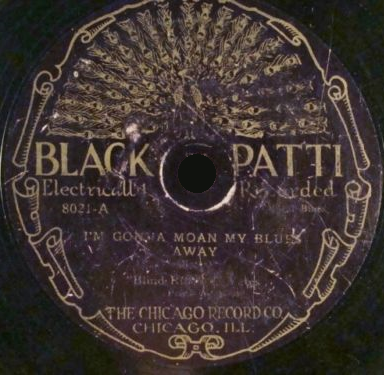
The final verse offers the resolution, or at least the coping mechanism: "Moaned and groaned, moaned my blues away." The act of moaning and groaning, a visceral expression of pain and sorrow, becomes the method for release. The repetition here isn't just about the blues; it's about the cathartic process itself, turning internal suffering into an outward, performative act that ultimately dissipates the blues. The narrator finds solace not in changing their circumstances, but in the very act of expressing their pain.
 View Artist