Song Meaning
The lyrics paint a stark picture of impending doom, framed by a seemingly optimistic, yet ultimately hollow, call to "hurry down, sunshine." This opening immediately sets up a tension between a forced cheerfulness and an underlying dread, hinting that whatever tomorrow holds, it's unlikely to be good. The repetition of the phrase emphasizes this desperate, almost pleading, tone, as if trying to convince oneself of a brighter future that the narrator clearly doesn't believe in.
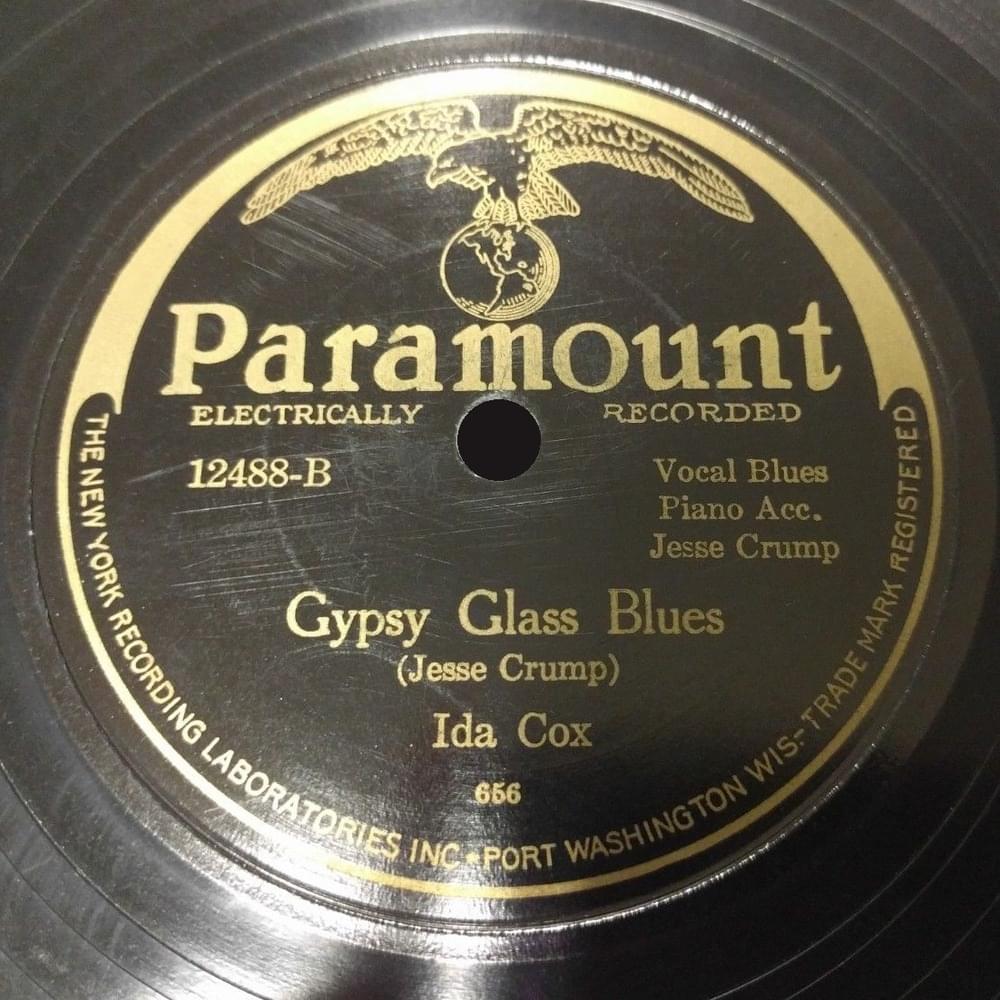
The core of the narrator's despair lies in a pervasive mental fog, a "cloudy" state that feels inescapable and threatens their sanity. This internal turmoil is amplified by the external betrayal revealed through a fortune teller. The narrator seeks answers, looking into a "crystal glass," only to witness their partner with another woman, a vision that confirms their deepest fears and solidifies their sense of loss. The repetition of this painful image underscores the devastating finality of the revelation.
The most striking moment arrives with the gypsy's pronouncement. The casual, almost dismissive smile and the phrase "run and won this race" reduce the narrator's pain to a competition lost. This cold observation, delivered after the narrator has already seen their heartbreak, highlights the dehumanizing nature of their situation. The gypsy's words, meant to explain the vision, instead serve to further isolate the narrator, framing their suffering as a predictable outcome in a game they never agreed to play.
Ultimately, these lyrics resonate because they capture the crushing weight of helplessness. The contrast between the forced optimism of the opening and the bleak reality revealed by the gypsy creates a potent emotional punch. The simple, direct language and the stark imagery of the crystal glass and the "brownskin woman" make the narrator's pain feel immediate and deeply personal, leaving the listener with a profound sense of sorrow for a future that has already been stolen.
 View Artist