Song Meaning
The narrator opens with a bold, almost defiant offer of solidarity, telling any women listening not to worry about lacking a man because she'll share hers. This immediately sets a tone of communal survival and a complex relationship with male partners. It’s a tough-love declaration, suggesting that romantic entanglements are a given, and perhaps a burden, that can be navigated together. The repetition of the first line emphasizes this unwavering stance, a promise made with a knowing weariness.
This bravado is quickly undercut by a maternal warning: "You better let them Jacksonville men alone." This suggests a history of trouble associated with a specific place or type of man, hinting that the narrator’s own experiences, or those she’s witnessed, have taught her caution. The advice implies that while men might be available, they aren't always reliable or good for you, creating a central tension between the need for companionship and the potential for heartbreak.
The lyrics then pivot to a stark, almost transactional view of attraction and relationships, noting preferences for different complexions. The narrator observes that "a black man will beat you, but he sure won't throw you down." This is a brutal assessment, framing relationships in terms of potential harm and a grim kind of loyalty. It’s a dark observation about enduring hardship within a partnership, suggesting that some forms of mistreatment are preferable to abandonment or betrayal.
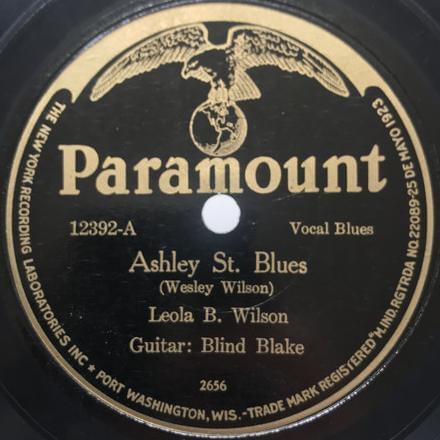
Finally, the narrator identifies herself as "a heartbroken woman with the Ashley Street blues." The plea to "ride your train" feels like a desperate request for solace or passage, a need to move through this pain. The blues here aren't just sadness; they're a specific, lived experience tied to a place, a testament to the emotional toll of navigating these complicated desires and harsh realities.