Song Meaning
This track opens with a raw, almost primal energy, immediately establishing a sense of urgent, improvisational creation. The repeated commands like "Let's go, bones" and "Rattle them bones, boy" aren't just instructions; they're the sonic equivalent of cracking knuckles before a performance. The dominant tone is one of excited anticipation, a feeling that something vital and perhaps a little wild is about to unfold. It’s the sound of musicians finding their groove in real-time, fueled by an immediate, visceral need to play.
The core tension here seems to be the pursuit of a perfect, satisfying musical moment. The narrator is pushing the musicians, urging them to "Get it fixed" and "Do it a long time," suggesting a desire for a polished yet enduring sound. The phrase "just like gettin' money from home" offers a curious comparison, implying that this musical satisfaction should feel effortless and abundant, a natural right. The ultimate goal is articulated clearly: "Play them bones, it'll get good to me," highlighting a deeply personal and almost sensual connection to the music being made.
The most striking element is the way the lyrics blend directive commands with expressions of personal gratification. The shift from "Play them bones" to "It done got good to Mr. Williams" marks a subtle but significant transition. It suggests that the act of commanding and shaping the music is itself a source of pleasure for the speaker, a personal triumph. The inclusion of "Now to get a little Charleston in there" indicates a conscious effort to inject a specific, recognizable style, adding another layer to the creative process – the integration of tradition into spontaneous creation.
Ultimately, the effectiveness of these lyrics lies in their unvarnished portrayal of the creative impulse. They capture the raw excitement of a live, in-studio moment, where the thrill of performance and the satisfaction of creation are intertwined. The language is direct and action-oriented, mirroring the urgent rhythm of the music itself. It’s a glimpse into the mind of someone deeply invested in the craft, finding profound personal pleasure in the very act of making music happen.
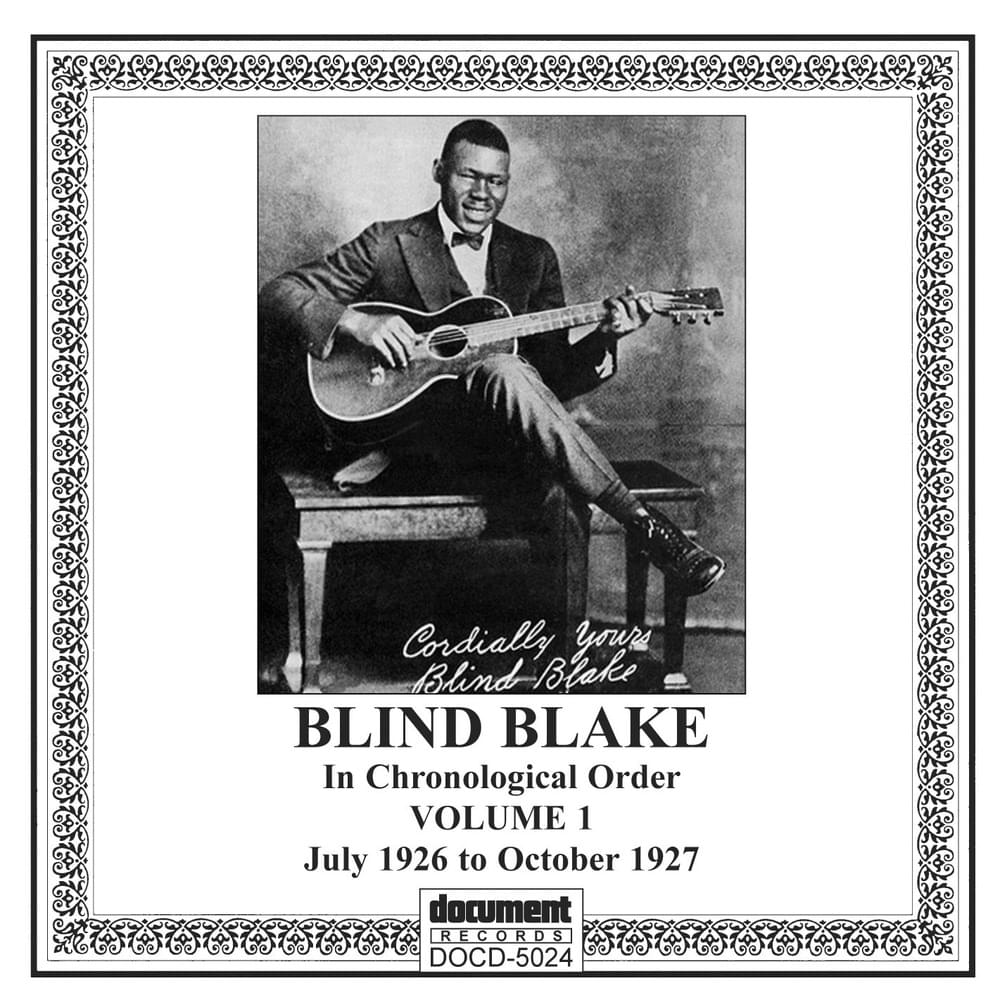
 View Artist