Song Meaning
The narrator is telling someone to leave, but with a strange mix of finality and expectation. The repeated command to "Loop langzaam van me weg" (Walk slowly away from me) suggests a drawn-out departure, almost a performance. There's a sense that this isn't a permanent goodbye, as the narrator states, "Je weet, je komt hier nog meer terug" (You know, you'll come back here more). This creates an immediate tension: is this a plea for space or a passive-aggressive invitation?
The core conflict seems to be about a relationship or dynamic that's become unsustainable due to external factors, perhaps emotional or situational. The phrase "Hangt wat we doen af van het weer" (What we do depends on the weather) is a striking metaphor for this unpredictability. It implies that the success or failure of their interactions is dictated by forces outside their control, leading to the exasperated conclusion, "Duizend keer is veel te veel, dus doe het niet meer" (A thousand times is way too much, so don't do it anymore).
The lyrics play with the idea of memory and identity within this cyclical pattern. The narrator urges the departing person to "Bewaar de liefde en de pijn" (Keep the love and the pain), acknowledging the complex history they share. This suggests that even as they're being told to leave, the emotional residue of their connection is meant to be preserved, adding another layer to the ambiguity of the departure. It’s not a clean break, but a deliberate, albeit painful, pause.
Ultimately, the effectiveness of these lyrics lies in their portrayal of a relationship stuck in a loop, dictated by uncontrollable circumstances. The repeated commands and the central metaphor of the weather create a feeling of weary resignation. The narrator isn't just ending something; they're trying to break a pattern, acknowledging the love and pain that make the cycle so hard to escape, but insisting that "vandaag gaat het niet meer" (today it's not possible anymore).
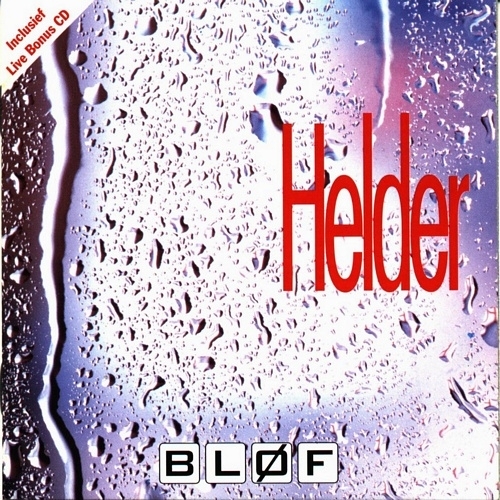
 View Artist