Song Meaning
The lyrics paint a picture of a clandestine, perhaps forbidden, relationship, marked by a desire for both secrecy and public acknowledgment. The opening lines, "Kus me in de drukte / Waar geen mens ons ooit herkent" (Kiss me in the crowd / Where no one ever recognizes us), immediately establish a tension between being seen and being hidden. This desire for a hidden intimacy is complicated by the narrator's observation that "de vreemde die je bent / Maakt dat elke kus mislukt" (the stranger you are / Makes every kiss fail), suggesting a disconnect or an unbridgeable gap between the desired connection and the reality of the person they are with. The repeated plea to "ontmoet me in het duister" (meet me in the dark) reinforces this need for concealment, yet even in darkness, "voeg het woord niet bij de daad" (don't add the word to the deed) due to the fear of being overheard, highlighting a pervasive sense of caution and distrust.
The central conflict seems to revolve around the narrator's struggle with the nature of this relationship and their partner's perceived duplicity or inauthenticity. The narrator insists, "ik fluister niet, ik praat" (I don't whisper, I talk), a powerful declaration of honesty and directness that contrasts sharply with the secretive, whispered nature of their encounters. This assertion is repeated, emphasizing its importance as a core tenet of the narrator's approach to connection, which is seemingly unmet by their partner. The shift to "ontmoet me in het licht" (meet me in the light) introduces a desire for transparency and a genuine, open love, where "het om twee mensen gaat / Aan hun liefdesbed gekluisterd" (it's about two people / Chained to their lovebed), a stark contrast to the furtive meetings.
The lyrics cleverly play with the idea of visibility and its consequences. The initial request for a kiss in the crowd where no one recognizes them is mirrored later by a request for a kiss "Waar de wereld ons bekijkt" (Where the world watches us). However, this shift isn't a resolution but a re-examination of the same underlying issue: the partner's perceived failure. The line "De geliefde die je blijkt / Wist al dat die blik mislukte" (The lover you turn out to be / Already knew that glance failed) suggests a pre-existing awareness of the futility of their connection, adding a layer of resignation or perhaps even accusation. The repeated assertion "ik praat" serves as a constant reminder of the narrator's commitment to authenticity in a situation that feels inherently dishonest.
Ultimately, the effectiveness of these lyrics lies in their raw portrayal of emotional dissonance and the painful realization of a flawed connection. The narrator's insistence on speaking openly while navigating a world of whispers and hidden glances creates a palpable sense of frustration and longing. The contrast between the desire for public, honest love and the reality of secret, failing encounters makes the emotional weight of the situation deeply felt. It's the stark honesty of "ik praat" set against the backdrop of clandestine meetings that resonates, capturing the ache of wanting something real in a situation that feels fundamentally compromised.
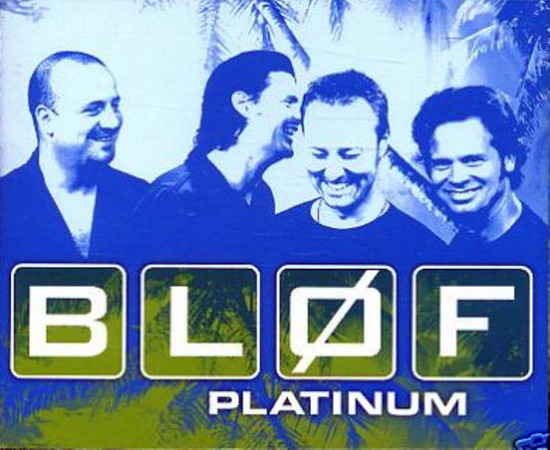
 View Artist