Song Meaning
The lyrics grapple with mortality, posing a poignant question about legacy and remembrance in the face of life's end. The narrator contemplates what will endure when the "music fades into the past" and "the days of life are through." This sets a reflective, almost anxious tone about the ultimate impact of one's existence. The central inquiry revolves around what specific qualities or actions will define their memory.
The core tension lies between earthly achievements and spiritual conviction. While the narrator wonders if they'll be remembered for personal relationships – loving family and being a faithful friend – the ultimate hope shifts to a religious affirmation. The desire to "hear that trumpet sound" and "see my Savior's face" highlights a yearning for divine validation over human recognition. This spiritual focus becomes the paramount concern as life concludes.
The most striking element is the deliberate de-emphasis of personal identity and artistic output. The narrator explicitly states, "You can forget my name / And the songs I've sung." This powerful dismissal of worldly fame and creative work underscores the profound importance placed on a singular, unwavering belief: "remember the truth of Jesus' love." The repeated refrain, "When all is said and done," acts as a solemn marker of finality, framing these reflections within the ultimate judgment.
This lyrical construction is effective because it taps into a universal human concern about what truly matters in the end. By prioritizing spiritual truth over personal legacy, the song offers a specific, deeply felt perspective on finding peace and purpose. The contrast between the ephemeral nature of earthly life and the eternal promise of faith provides a powerful emotional anchor, making the final plea for remembrance of divine love resonate with quiet intensity.
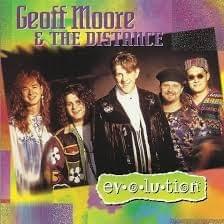
 View Artist