Song Meaning
The narrator is caught in a frustrating cycle of unrequited desire and missed connection. There's a palpable sense of yearning, a desperate plea to bridge the gap between "I don't know you" and a desired intimacy. The repeated phrase "It won't take long" acts as a hopeful, almost pleading, promise that this distance is temporary, a future state of knowing is imminent. This creates an immediate tension between the present reality of separation and the narrator's fervent anticipation.
The core conflict arises from mutual ignorance and external barriers. The narrator admits to drinking, perhaps fueling this intense, immediate desire, but the other person is seemingly unavailable due to a "lover." This creates a push-and-pull dynamic: the narrator wants to connect, but the other person is out of reach, and the narrator's own perception is clouded. The inability to "run with me" suggests a fundamental incompatibility or a refusal to engage, deepening the narrator's frustration.
The most striking element is the sudden, jarring shift in the final stanza. After a build-up of longing and anticipation, the narrator experiences a moment of intense, painful clarity: "Now I see you, now I hear you, rips my soul apart." This isn't the desired connection, but a realization that shatters their illusion. The narrator questions, "Have you no heart, Love?" before turning inward, recognizing their own self-centeredness in the pursuit: "Thought of my self first, how cruel can one be?" This self-recrimination is the ultimate twist, reframing the entire preceding desire as a form of self-absorption.
This lyrical arc is effective because it mirrors the painful process of realizing one's own flawed perspective. The initial, almost naive, hopefulness gives way to a devastating self-awareness. The craft here lies in the contrast between the repeated, almost hypnotic, promises of future connection and the stark, soul-ripping realization that the narrator's own desires blinded them to the reality of the situation. The final question, "how cruel can one be?" lands with significant weight, turning the initial perception of external cruelty inward.
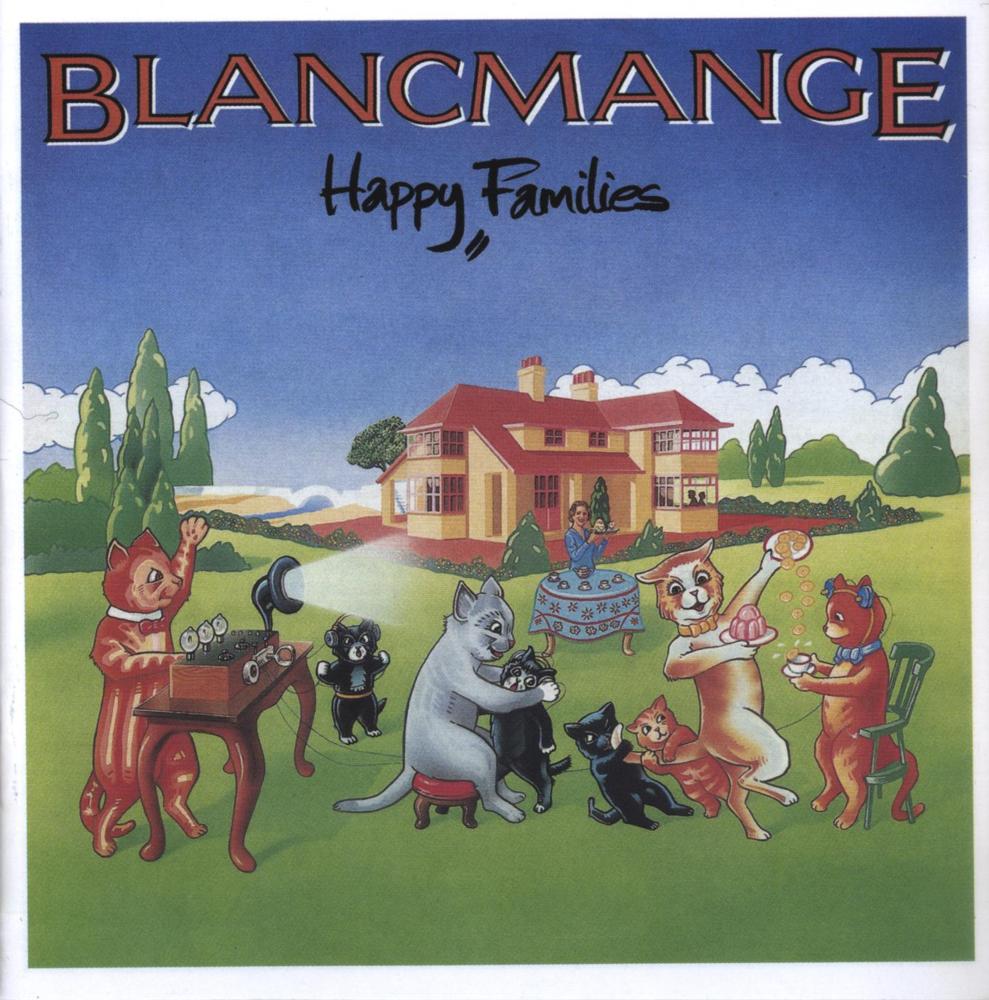
 View Artist