Song Meaning
This track opens with a stark farewell, a poignant goodbye to a "paranoid" old friend, tinged with a sense of finality and exhaustion. The narrator declares, "Life is running out," and "I guess I had enough," signaling a decisive moment of departure. This isn't a gentle parting; it's an urgent escape from a state of being that has become unbearable.
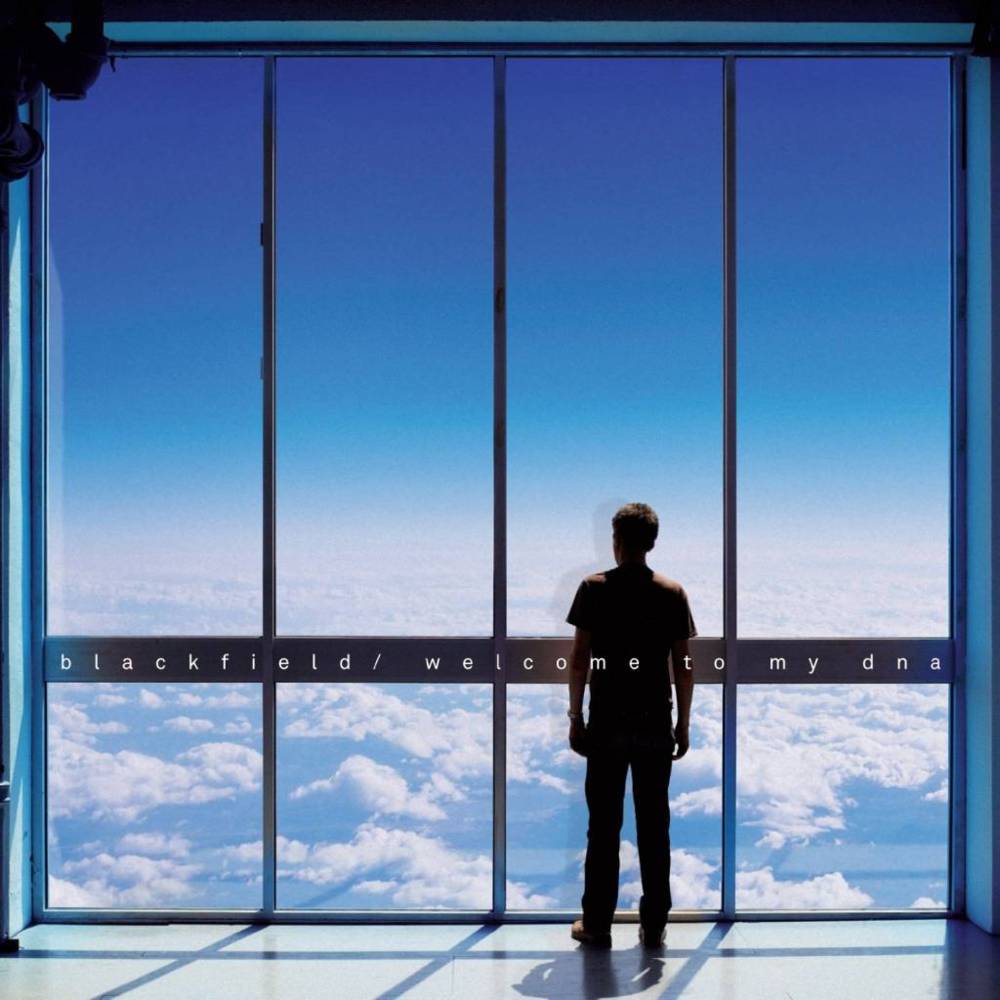
The core of the song reveals a past existence defined by isolation and fear. The narrator describes living in a "house of glass," a metaphor for extreme vulnerability and a life observed rather than lived. This glass house was a place "where no-one comes or goes," emphasizing a self-imposed solitude, a deliberate barrier against the outside world. The fear of disruption is palpable, as the narrator "hope[s] the wind won't blow / And mess my fears around," suggesting a fragile internal state that any external force could shatter.
The most striking aspect is the narrator's eventual realization about the nature of their own fear. After enduring this self-imposed confinement, the lyrics state, "It took me so long to find out where they're hiding." This implies a prolonged period of introspection, a difficult journey to confront the source of their anxieties, which were apparently hidden even from themselves within the protective, yet confining, glass walls. The final lines, "Music like rain over my deepest feelings / On your faking land," introduce a new element, perhaps a contrast between authentic emotional experience (music like rain) and a deceptive external reality or relationship.
This lyrical construction is effective because it uses a potent central image – the house of glass – to convey profound emotional isolation and the struggle for self-awareness. The contrast between the passive observation of life and the eventual, hard-won discovery of where fears reside creates a compelling narrative arc. The abruptness of the opening and closing lines underscores the urgency and the emotional weight of the narrator's decision to leave their past behind.
 View Artist