Song Meaning
The lyrics paint a stark picture of societal unrest and surveillance, opening with a repeated, almost observational refrain: "Look how the heathen / Them a goin' 'pon street today." This phrase, delivered with a sense of detached observation, sets a tone of unease. The subsequent lines immediately introduce a militarized presence, with "Black mariah tankers and jeeps" appearing "on every corner," suggesting a heavy-handed response to the "heathen" on the streets. This creates an immediate tension between the people and an oppressive force.
The core conflict seems to stem from a lack of peace and a sense of impending confrontation. The narrator observes "no sign of peace no" in the "far east," implying a broader, perhaps global, context of conflict. The declaration "The stake is over / No more feast no" signifies an end to a period of complacency or perhaps exploitation, leading into a call for action. The repeated assertion that "One thing leads to another" and "It does not last forever" suggests a belief in inevitable change and the transient nature of the current oppressive state.
The most striking aspect of the craft is the juxtaposition of the seemingly passive "heathen" with the active, militarized response. The term "heathen" itself is loaded, often implying an outsider or someone outside a dominant social or religious order, here seemingly reappropriated to describe those on the street. The lyrics build a sense of defiance with the lines "Our revolutionary spirit come a long way / So don't be no stumbling block in our way." This shift from observation to direct warning underscores a growing resolve and a rejection of any attempts to suppress the movement.
This piece resonates through its raw depiction of a society under pressure, where the presence of "tankers and jeeps" contrasts sharply with the simple, yet potent, image of people "goin' 'pon street." The lyrics effectively convey a feeling of escalating tension and a determined spirit ready to push back against perceived oppression. The cyclical nature of the opening refrain, bookended by declarations of revolutionary spirit, leaves the listener with a sense of an ongoing struggle, where change is not only desired but actively pursued.
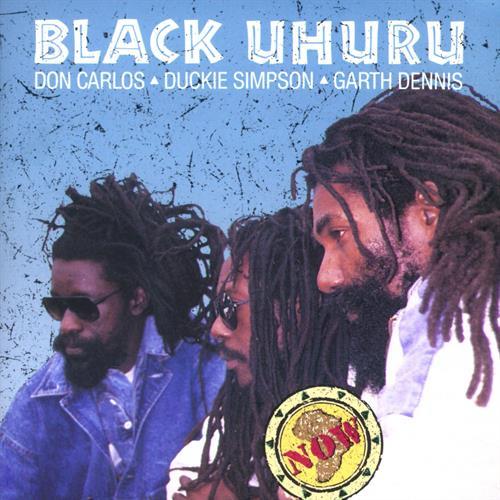
 View Artist