Song Meaning
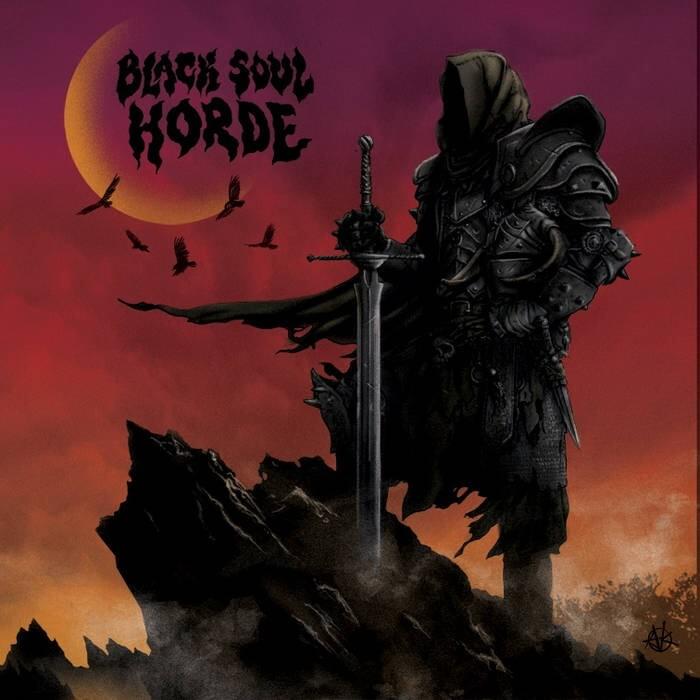
The lyrics paint a stark, terrifying picture of a shadowy, relentless force. These "evil ones" emerge from darkness, actively suppressing light and hunting down their targets. An immediate sense of dread and impending doom hangs heavy over every line.
The core tension here lies in the overwhelming, almost primal, nature of this "faceless legion" against an implied vulnerability. They are described as "haunted wolfs," driven by revenge and a deep connection to the night. The lyrics suggest a world where light is actively "hide[n] away," leaving only the chilling embrace of "loneliness and fear" for those who stand against them.
A particularly striking element is the shift in perspective and the repeated Greek invocation, "Εγένετω, Δαιμόνων Τάγματα." Initially, the narrator observes "They're the evil ones," but then a collective "We" emerges, declaring, "From the darkness We call You." This isn't just a description; it becomes an active summoning, drawing the listener into a ritualistic alignment with these dark entities, intensifying their presence from a distant threat to an invoked power. The subtle change to "Εγένοντο" later suggests a realization or fulfillment of that summoning.
These lyrics hit hard by building an atmosphere of inescapable menace through stark contrasts and direct warnings. The constant return to "darkness" as both their origin and domain, coupled with vivid, almost mythological imagery like "black horses" and "children of the night," makes the threat feel ancient and absolute. The blunt command, "Poor child, you'd better run," cuts through the ominous descriptions, injecting a sudden, visceral urgency that makes the abstract terror feel terrifyingly real.
 View Artist