Song Meaning
The lyrics paint a picture of restless inertia, a feeling of being stuck between wanting to do nothing and needing to do something. The narrator expresses a desire to "take a nap" and "be a slob," but immediately counters it with the necessity to "get a job." This internal tug-of-war creates a palpable sense of indecision and a yearning for direction, even if that direction is simply to "go for that."
The central tension seems to stem from a conflict between apathy and a suppressed desire for action or change. The repeated phrase "Don't mean to be wild, but I" suggests an internal struggle against impulses or a perceived wildness that the narrator doesn't necessarily want to embrace, yet feels compelled by. This is juxtaposed with the simple, almost mantra-like repetition of "You're Gung Ho" in the chorus, which could be an external label or an internal aspiration.
The most striking element is the recurring phrase "Gung Ho." While its exact meaning here is ambiguous, its repetition in the chorus, directed at "You," implies an energetic, enthusiastic, perhaps even blindly optimistic spirit being observed or addressed. The contrast between the narrator's internal conflict and the external declaration of "Gung Ho" creates a fascinating dynamic, hinting at a disconnect between personal feelings and outward appearances or expectations.
This lyrical approach is effective because it captures a very specific, relatable feeling of being adrift. The ambiguity of the situation and the narrator's own conflicting desires mirror the confusion many feel when facing life's demands. The simple, insistent repetition of "Gung Ho" acts as an anchor, offering a stark contrast to the lyrical uncertainty, and leaving the listener to ponder the nature of that enthusiasm and its place in the narrator's world.
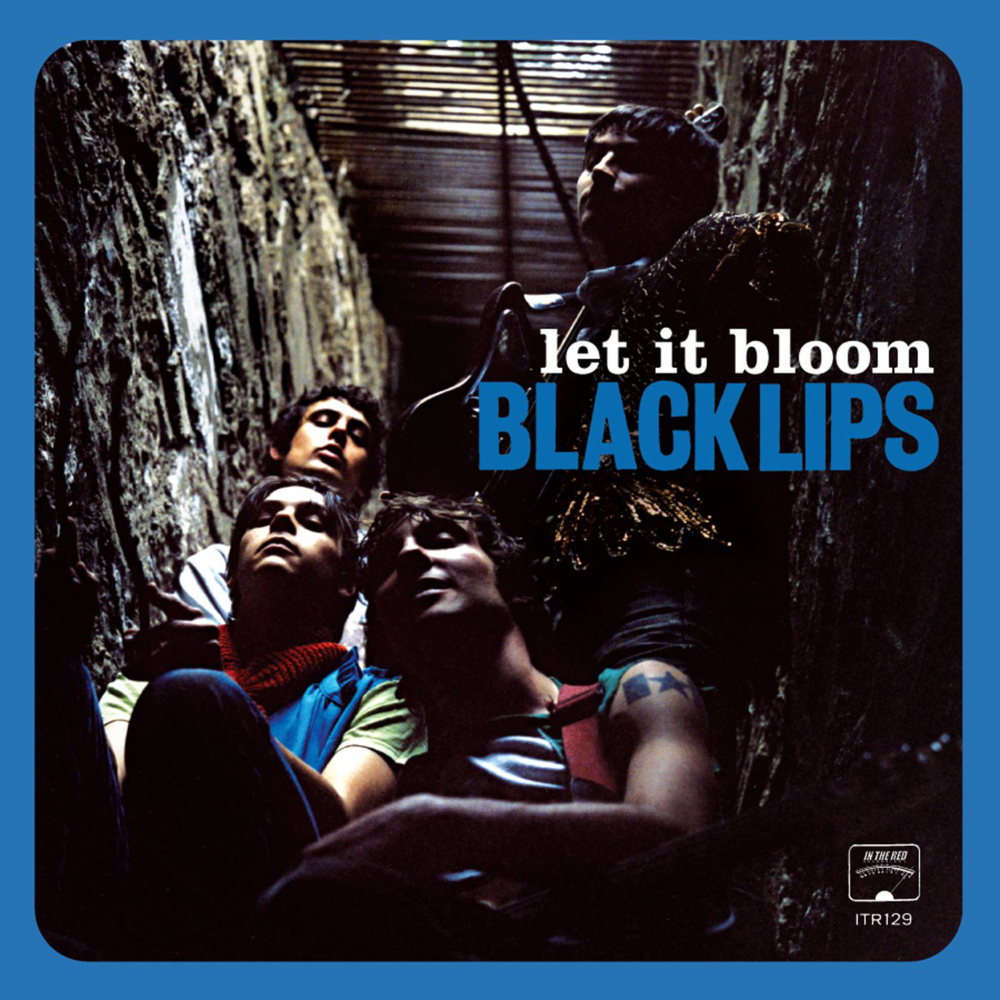
 View Artist