Song Meaning
The lyrics paint a stark picture of lingering resentment, suggesting that past wrongs create a landscape of perpetual emotional torment. The opening lines immediately establish a tone of inescapable consequence, with "lakes of fire" and "regrets" serving as potent images of internal suffering. The narrator seems to be addressing someone who believes they've escaped accountability, but the lyrics insist that these "losses won't let you forget."
The central tension hinges on this false sense of closure. The repeated question, "So you think that it's over?" directly challenges a perceived delusion of peace. The core idea is that the "fields of unforgiveness" aren't a static place of past pain, but a dynamic, growing entity. The shift from "never died" to "never die" in the final chorus emphasizes this relentless, evolving nature of held grudges.
The most striking aspect of the craft here is the expansive, elemental imagery used to represent emotional states. "Lakes of fire," "oceans of life's contempt" – these aren't just metaphors; they feel like vast, overwhelming forces that consume and drown. This grand scale amplifies the feeling that the consequences of past actions are immense and inescapable, far beyond a simple personal memory.
Ultimately, the lyrics hit hard because they tap into the universal human experience of knowing that some hurts don't fade. The writing makes the abstract concept of unforgiveness feel like a tangible, growing landscape, suggesting that the pain we inflict or endure can become a self-perpetuating cycle that actively expands rather than simply existing.
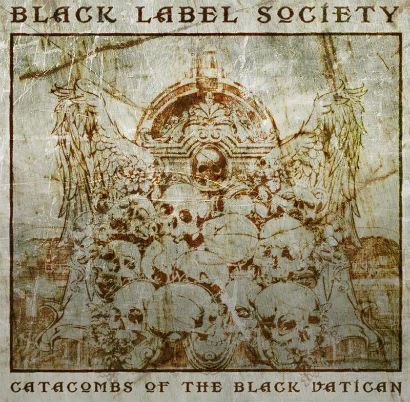
 View Artist