Song Meaning
The lyrics paint a quiet, intimate scene of late-night connection. The narrator finds solace and profound happiness when the day's demands, symbolized by sleeping children, finally recede. This quietude creates a pocket of time, specifically "emot midnatt" (towards midnight), where genuine affection can flourish. The dominant tone is one of peaceful contentment, a deep appreciation for shared moments of stillness and closeness.
The central tension lies in the contrast between the busy, perhaps chaotic, daytime and the serene, restorative nighttime. The narrator explicitly states that "nu så har vi tid / Att få rå om varann en stund" (now we have time / To care for each other for a while), highlighting how this stolen time is precious. The act of simply holding a hand, "trycka din hand," becomes the ultimate expression of this hard-won peace and happiness. It’s not grand gestures, but the simple, quiet presence of another that defines this joy.
The repeated phrase "Det kallar jag för lycka" (That's what I call happiness) and variations like "Det är vad lycka är för mig" (That's what happiness is to me) anchor the song's core message. The lyrics emphasize the tactile and auditory elements of this happiness: the feeling of a hand in theirs, "Med din hand i min," and the subtle sounds of the night, "De ljud som bara hörs om natten." This focus on sensory details makes the abstract concept of happiness feel incredibly grounded and personal. The idea of feeling a friend's "pulsar bränna" (pulses burning) adds a layer of intensity to this deep connection.
Ultimately, the effectiveness of these lyrics stems from their ability to elevate the mundane into the profound. By focusing on the quiet moments after the world has settled, the song suggests that true happiness isn't found in excitement, but in the deep, resonant connection with another person. The narrator’s definition of happiness is a gift, a "gåva," found in the simple, yet powerful, act of feeling close and loved.
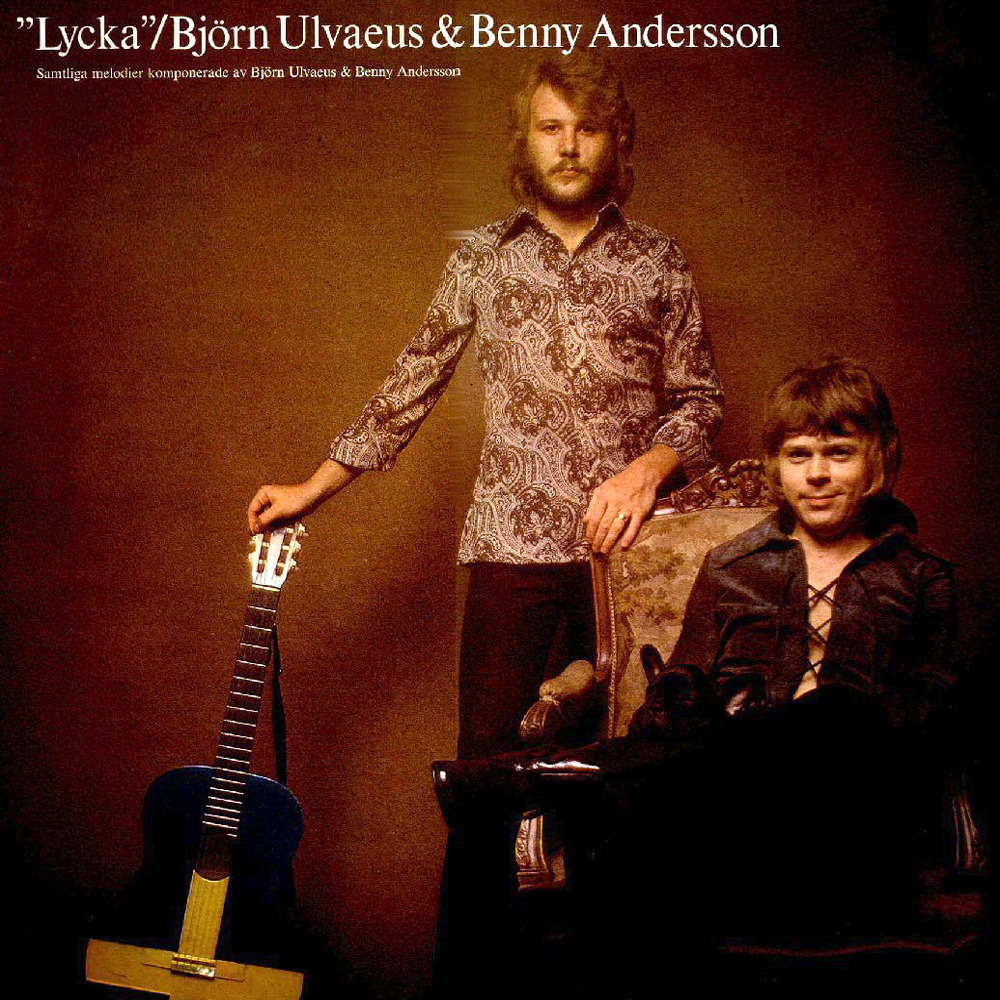
 View Artist