Song Meaning
The lyrics paint a vivid, sun-drenched portrait of a child named Liselott, captured in a moment of pure, uninhibited joy on the beach. The narrator observes her as a "whirlwind" with a "sun-warmed cheek," her tiny footprints a trail in the sand. This initial scene establishes a tone of tender adoration, a quiet contentment found in simply witnessing her presence. The narrator's heart is warmed, stating they "could never wish for more," a sentiment that anchors the song in a profound, parental love.
The central tension emerges from the narrator's deep longing and the fleeting nature of this cherished time. Phrases like "I live to love you" and the repeated, almost pleading "my child, child, child" reveal an intense emotional investment. This is amplified by the line "What if you could stay with me," hinting at a fear of separation or the inevitable passage of time. The narrator cherishes every moment, recognizing Liselott's vibrant energy and her desire to experience everything, even if the water is too cold for her.
The craft here lies in the gentle, almost childlike simplicity of the language, mirroring the subject matter. The repetition of "mitt barn" (my child) acts as a constant, grounding refrain, reinforcing the narrator's protective and loving gaze. The imagery of building sandcastles with a "small, chubby hand" is endearing and specific, grounding the abstract emotion in a tangible, innocent action. The description of people stopping to smile at Liselott further emphasizes her captivating, radiant presence.
Ultimately, the lyrics resonate because they capture the bittersweet beauty of childhood and parental love. The narrator finds immense joy in Liselott's existence, yet there's an underlying awareness of impermanence, particularly in the final lines about borrowing her again next month. This delicate balance between present happiness and the anticipation of future moments, perhaps tinged with sadness, is what makes the narrator's affection so palpable and the scene so poignant.
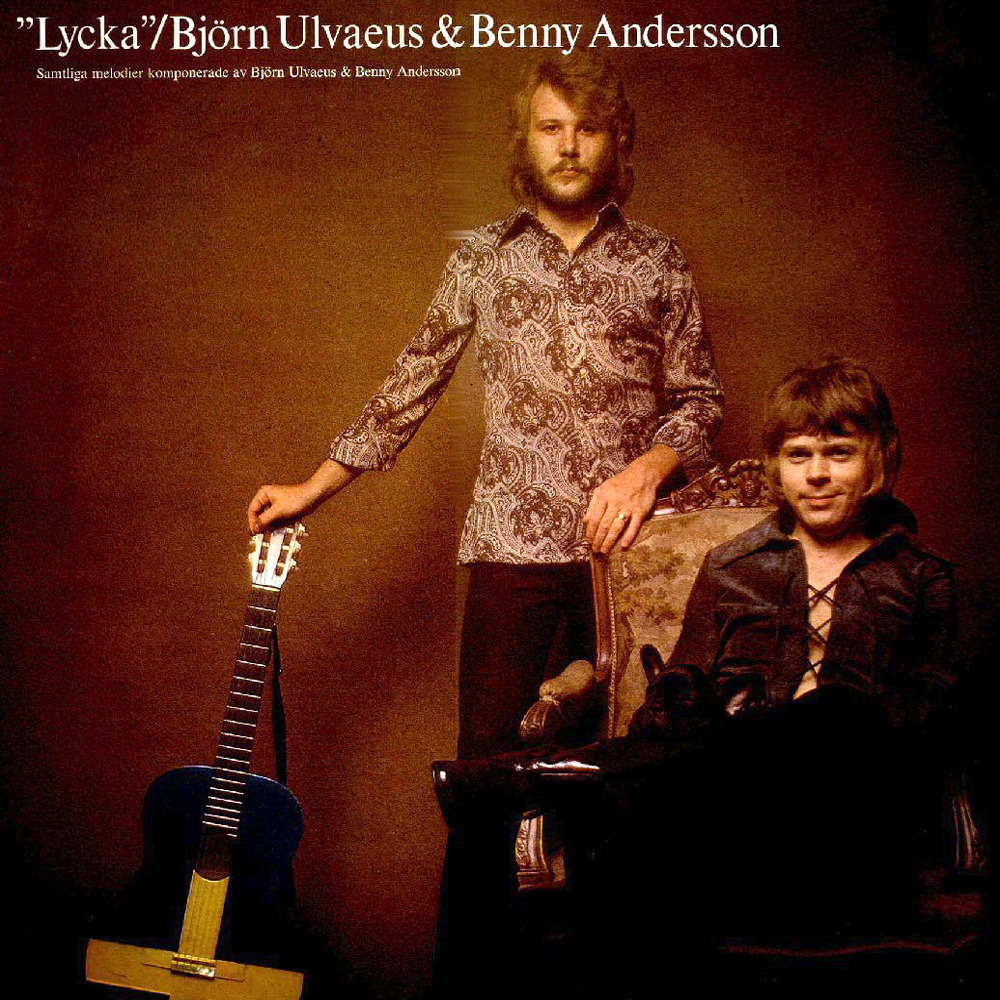
 View Artist