Song Meaning
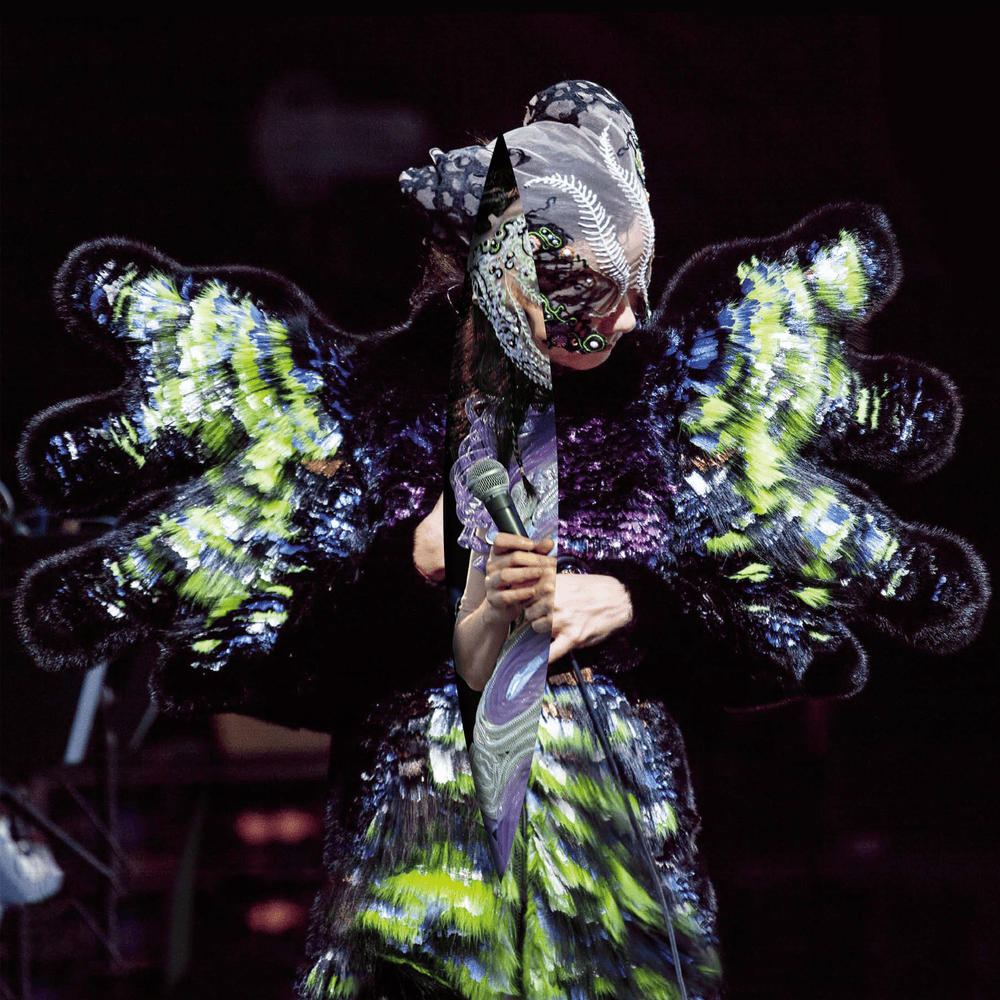
This live rendition of "Stonemilker" captures a raw, urgent plea for emotional connection amidst a perceived disconnect. The opening lines immediately set a tone of seeking alignment, a desire to "find our mutual coordinates" in what feels like a fated, perhaps difficult, situation. The narrator emphasizes the rarity of genuine clarity, framing the present moment as a crucial opportunity to document and understand a powerful, albeit intense, emotional landscape. This urgency suggests a fear of losing this rare insight.
The central tension lies in the stark contrast between openness and emotional shutdown. The narrator poses direct questions: "Who is open chested?" versus "who has coagulated?" and "Who can share and / Who has shut down the chances?" This binary highlights a struggle to understand why connection is failing, framing it as a choice between vulnerability and a hardened, inaccessible state. The repeated question, "How does one stay open?" reveals a deep uncertainty about maintaining emotional availability, especially when faced with another's closure.
The core metaphor, "Like milking a stone / To get you to say it," powerfully conveys the futility and immense effort involved in eliciting a response from someone emotionally unavailable. It’s a desperate attempt to extract something impossible, highlighting the narrator's pain at being unable to bridge the emotional gap. This imagery underscores the feeling of being stuck, trying to force a connection that simply won't yield, making the subsequent plea for "emotional respect" and the desire to "synchronize our feelings" all the more poignant and difficult to achieve.
Ultimately, the lyrics resonate because they articulate a universal struggle: the yearning for mutual emotional understanding and the frustration of encountering a partner who is closed off. The direct, almost conversational, questioning combined with the visceral "milking a stone" metaphor creates a palpable sense of vulnerability and longing. The repeated emphasis on "emotional needs" and the wish to "synchronize our feelings" makes the narrator's desire for a shared emotional space feel both deeply personal and broadly relatable, even as the path to achieving it remains uncertain.
 View Artist