Song Meaning
{"song_id": 11684126, "meaning": "B.J. Thomas's \"Wishful Thinking\" isn't just a country-tinged ballad; it's a stark portrait of a man wrestling with the ghosts of a rambling past and the allure of a settled future. The opening lines paint a classic drifter's scene – freight trains, highways, lonely nights. He's a man defined by movement, by the open road, by a certain rootless freedom. But beneath that well-worn exterior, the lyrics reveal a yearning for connection, for the warmth of a shared life. The repeated phrase \"Wish I had\" exposes a vulnerability, a longing that cuts against the grain of his easy-going persona. He wishes for a \"good fine woman,\" a \"little old cabin,\" even the hyperbolic vision of \"fourteen children.\"
The key to unlocking the song's deeper meaning lies in the line, \"But lately it seems that life is passing me by.\" This isn't just about aging; it's about the recognition that the transient lifestyle, once a source of freedom, has become a form of stagnation. The wishful thinking isn't about material possessions; it's about a fundamental shift in perspective, a desire to trade the open road for a sense of belonging and purpose. The idealized cabin and family become symbols of a stability he's never known, a life he fears may be forever out of reach.
And yet, the song refuses to fully succumb to sentimentality. The line \"Wishful thinkin' never does no good\" acts as a harsh self-assessment, a cynical counterpoint to the romanticized visions. There's a sense of resignation, a recognition that the ingrained habits of a lifetime are difficult, if not impossible, to break. The final verse about the silver dollar reinforces this internal conflict: the very thought of settling down triggers an impulse to escape, to be \"long gone.\" \"Wishful Thinking\" ultimately captures the bittersweet tension between the allure of freedom and the human need for connection, leaving the listener to ponder whether the protagonist will ever truly find his way home."}
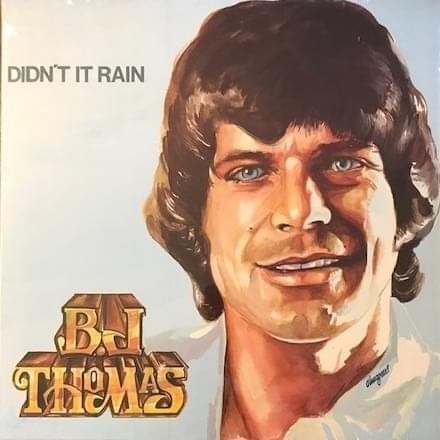
 View Artist