Song Meaning
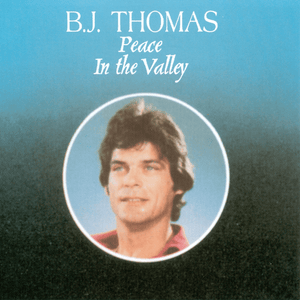
B.J. Thomas's rendition of "Rock of Ages" isn't just a hymn; it's a raw, vulnerable plea for absolution. Stripped of modern artifice, the song dives headfirst into the core of human frailty and the yearning for redemption. The lyrics, steeped in religious imagery, paint a vivid picture of a soul seeking refuge from the weight of its sins. The opening lines, "Rock of Ages, cleft for me, Let me hide myself in Thee," establish this central theme of seeking shelter and protection in a higher power. It's a universal sentiment, resonating with anyone who has ever felt lost or overwhelmed by their own imperfections. The metaphor of the 'cleft' suggests not just safety, but also a deep, intimate connection with the divine.
The song's power lies in its stark acknowledgement of human inadequacy. Thomas sings, "Could my tears forever flow, Could my zeal no respite know, These for sin could not atone." This isn't a boastful claim of righteousness, but rather a humble admission of the inability to earn salvation through one's own efforts. The lyrics cut through any notion of self-sufficiency, emphasizing the necessity of divine grace. The repeated phrase "Thou must save, and Thou alone" underscores this dependence, highlighting the singer's complete reliance on a force greater than themselves. It speaks to the inherent human condition: the awareness of our limitations and the simultaneous hope for something beyond our grasp.
Ultimately, "Rock of Ages" is a meditation on mortality and the search for meaning in the face of inevitable death. The lines, "While I draw this fleeting breath, When my eyes shall close in death, When I rise to worlds unknown, And behold Thee on Thy throne," confront the listener with their own fleeting existence. The song offers solace in the promise of eternal life and the possibility of divine judgment. The act of clinging to the cross, "Simply to Thy cross I cling," becomes a symbol of unwavering faith and a surrender to the unknown. B.J. Thomas's interpretation, therefore, transcends mere religious dogma, tapping into the fundamental human need for comfort, forgiveness, and a sense of purpose in a chaotic world.
 View Artist