Song Meaning
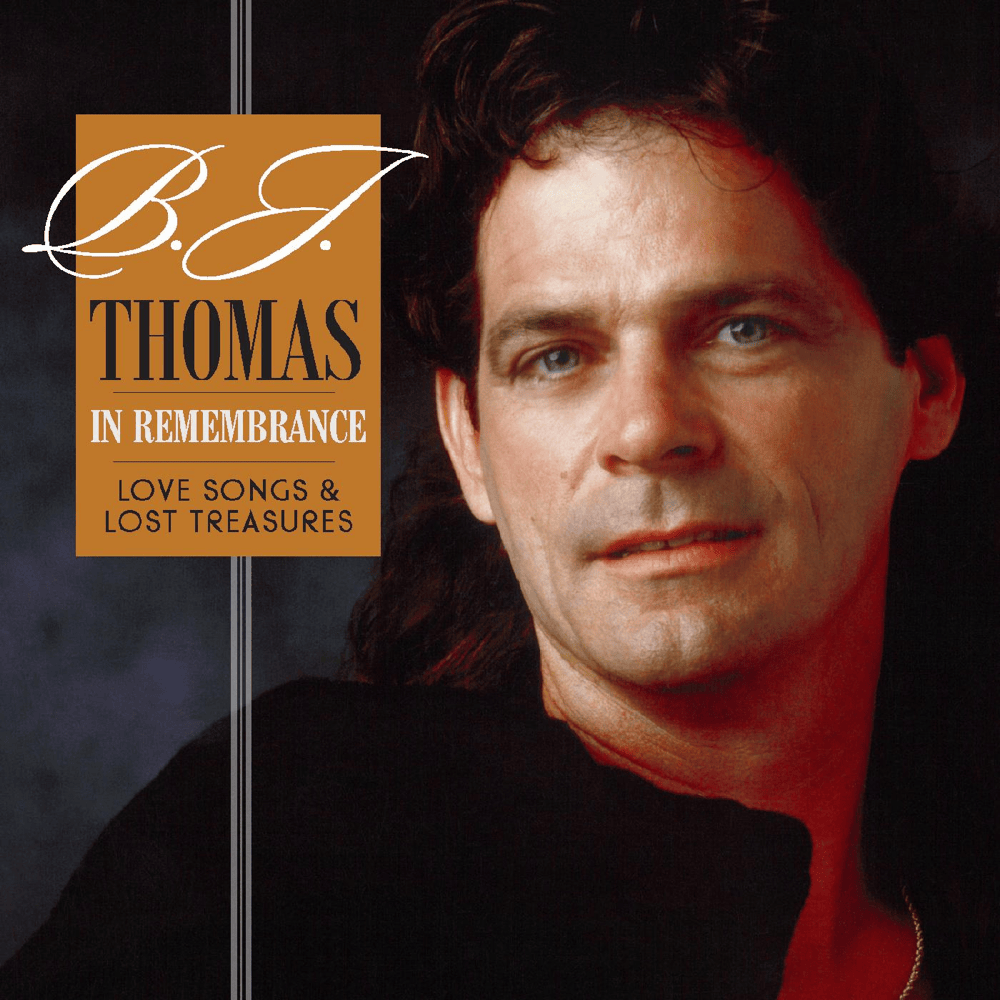
{"song_id": 11683932, "meaning": "B.J. Thomas's \"Red Letter Days\" isn't just nostalgia; it's a raw, vulnerable portrait of fatherhood grappling with the passage of time and the bittersweet ache of watching a child hurtle toward adulthood. The song meaning resides in the unspoken anxieties of a parent who sees his younger self reflected in his son's eyes, a past filled with choices he now views with a mixture of regret and hard-won wisdom. The opening verses are deceptively simple, painting a picture of everyday life—a sick mother, a missed game, the outdated comfort of old records. But beneath the surface simmers a deep unease, a recognition of the growing distance between father and son. The father's sleeplessness hints at a deeper turmoil, a quiet reckoning with his own mortality and the legacy he's leaving behind. The mention of playing \"old forty-fives\" is not just about musical taste; it's about a generational divide, a symbol of the widening gap in experience and understanding. Thomas isn't merely singing; he's confessing.
The chorus of \"Red Letter Days\" is the emotional core of the song, capturing the heightened drama and intensity of youth. The phrase itself, \"red letter days,\" suggests moments of significance, both joyous and devastating, that imprint themselves indelibly on the memory. For a seventeen-year-old, life is a series of extremes—\"all victories and tragedies\"—with little room for nuance or moderation. The father recognizes this intensity in his son's \"wild and unafraid\" face, fueling his desire to protect him from repeating his own missteps. This isn't about control; it's about love tinged with the fear of seeing his son navigate the same treacherous terrain he once traversed. The line, \"I'm only trying to save you / From the same mistakes I've made,\" is a poignant acknowledgment of the limits of parental influence, the inevitable reality that every generation must learn its own lessons.
Ultimately, \"Red Letter Days\" is a plea for connection, a yearning for shared moments in the face of life's relentless forward march. The father's wish to \"somehow make you see / These days are moments, not eternity\" speaks to the ephemeral nature of youth and the importance of cherishing the present. It's a reminder that the \"red letter days\" of adolescence, with all their drama and intensity, are fleeting, and that the bonds of family are a source of enduring strength. The final verse is a quiet hope that despite their differences, despite the generational gap, the father and son can still find common ground, that the son will eventually understand the depth of his father's love and the wisdom gleaned from his past mistakes. The song serves as a stark reminder of the universal struggle of parents to guide their children while allowing them to forge their own paths, a delicate dance between protection and freedom."}
 View Artist