Song Meaning
B.J. Thomas's "Joy to the World" isn't just a Christmas carol; it's a roaring, full-throated anthem of spiritual surrender. Forget the sleigh bells and the fireplace – this is about the seismic shift when the divine crashes into the mundane. The "Lord has come" isn't a gentle arrival; it's a takeover, demanding that "every heart prepare Him room." There's a possessive urgency here, a sense that the world is being forcibly re-ordered around a singular, overwhelming presence. The repetition of "Heaven and nature sing" isn't mere exuberance; it's a cosmic echo, a sign that the very fabric of reality is vibrating with this new, inescapable truth. It's less about quiet reverence and more about a joyous, unstoppable conversion.
The song's insistence that "the Savior reigns" casts humanity in a passive role. We're not active agents of change, but rather subjects who "let men their songs employ" in response to this divine rule. Even nature itself – "fields and floods, rocks, hills, and plains" – is reduced to a mere echo chamber, dutifully repeating the "sounding joy." This isn't a collaborative effort; it's a top-down decree of happiness. Psychologically, this reflects a deep-seated human desire for order and certainty, a yearning to be swept up in something larger than oneself, even if it means relinquishing control.
Ultimately, "Joy to the World" taps into something primal. The lyrics promise a world governed by "truth and grace," a stark contrast to the messy, chaotic reality we often experience. It's a vision of utopian order, where righteousness and love reign supreme. The repeated emphasis on the "wonders of His love" suggests a longing for unconditional acceptance and unwavering affection, a balm for the anxieties and insecurities that plague the human condition. The song's enduring appeal lies in its promise of a divinely ordained world, where joy isn't just a fleeting emotion, but a fundamental law.
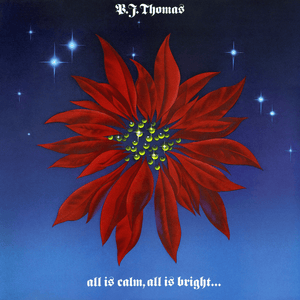
 View Artist