Song Meaning
The lyrics present a stark, almost primal contrast between "Homem" (Man) and "Máquina" (Machine). The repetition of "Homem ... Máquina" creates a sense of persistent comparison or even a blurring of lines. It immediately sets up a core tension: what defines each, and where do they diverge or converge?
The central idea hinges on defining characteristics. The lyrics state plainly, "Uma máquina é uma máquina," establishing its fixed, predictable nature. In contrast, "Um homem é um bicho," suggesting something more primal, instinctual, and perhaps less controlled. This simple dichotomy forms the emotional bedrock, highlighting a perceived fundamental difference in essence.
The most striking craft element is the use of direct, declarative statements and the stark juxtaposition. The lyrics then introduce subtle shifts: "Uma pessoa ... Uma máquina," then "Um homem ... Um homem," and finally, "Uma pessoa e uma máquina." The introduction of "pessoa" (person) adds a layer beyond just "homem," implying a more complex inner life. The crucial distinction emerges: "A pessoa ... ri / A máquina não." This simple observation about laughter, a uniquely human expression of emotion, is the most potent differentiator presented.
This lyrical approach is effective because it strips away complexity to reveal a core human trait. By focusing on the absence of laughter in the machine, the lyrics underscore the emotional, spontaneous, and perhaps irrational nature of humanity. The final lines, "A pessoa ama / A máquina / A máquina / A máquina / A máquina," leave a lingering question about the object of affection, but the preceding contrast has already firmly established what makes the "pessoa" fundamentally different from the "máquina."
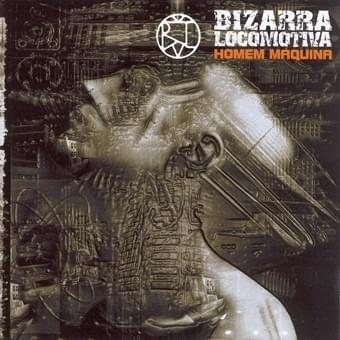
 View Artist