Song Meaning
The lyrics present a stark dichotomy between the primal, insistent nature of the body and the complex, often dark landscape of the psyche. The first section relentlessly enumerates the physical self's demands and experiences: "Tęsknota ciała" (longing of the body), "Pamięć ciała" (memory of the body), and even its base instincts like "Zwierzęcość ciała" (animalistic nature of the body). This litany builds a powerful sense of the body as a separate, almost autonomous entity, driven by needs, desires, and a persistent "Niezaspokojenie" (unsatisfaction).
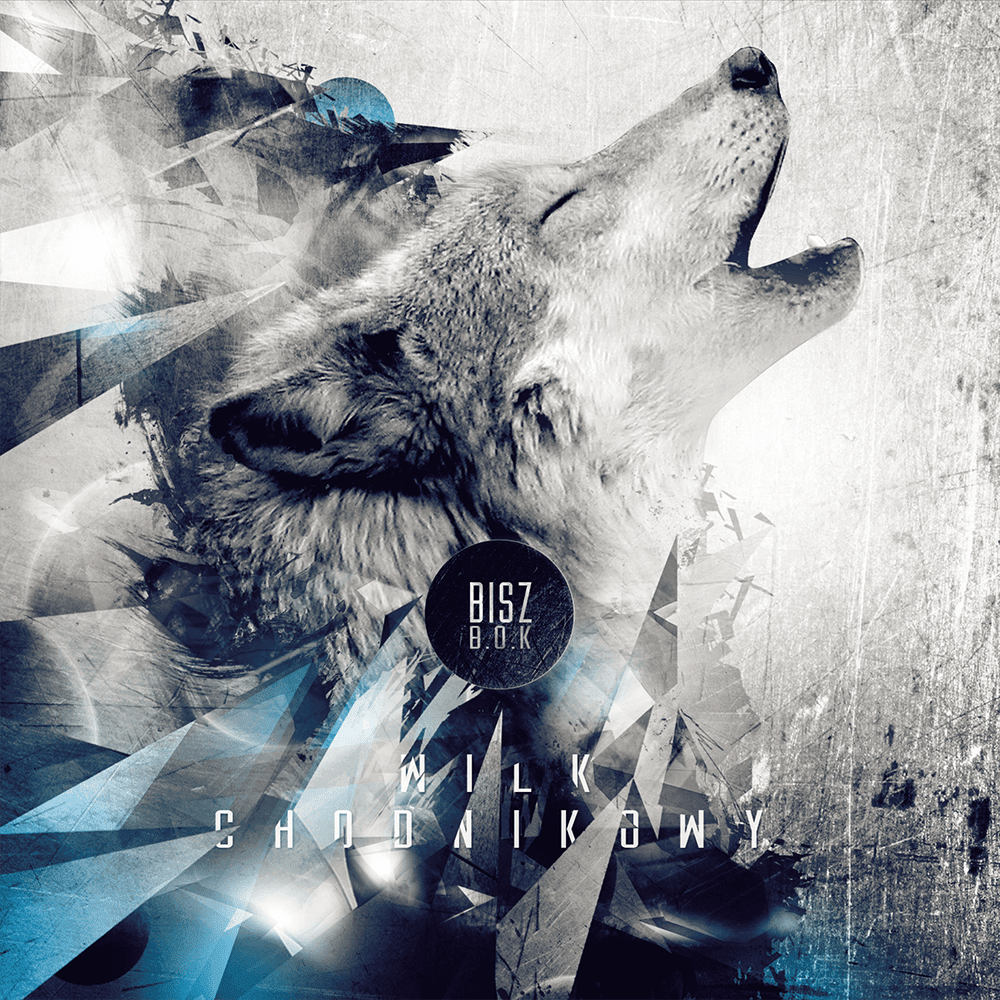
Juxtaposed against this physical reality is the "Ciemna psyche" (dark psyche), described as "głęboka, głęboka" (deep, deep) and "Przemożna i niezbadana" (overwhelming and unexplored). The psyche here is not a source of comfort or reason, but a wild, almost malevolent force, characterized by "Wyjąca psyche" (howling psyche) and a "wzgardliwym uśmiechu" (scornful smile). It's portrayed as "Atawistyczna" (atavistic) and "bez skrupułów" (unscrupulous), pulling the self "w dół, w dół" (down, down).
The ultimate word, "ROZUM" (REASON), stands alone, a stark, single-word pronouncement. It appears after the overwhelming descriptions of both body and psyche, suggesting reason is the final, perhaps elusive, arbiter. The lyrics imply a constant internal struggle, where the raw, animalistic urges of the body and the deep, untamed currents of the psyche are in perpetual tension with the possibility of rational control. The effect is a disquieting portrait of the self, fragmented and at war with its own fundamental components.
 View Artist