Song Meaning
The lyrics paint a picture of someone overwhelmed by the weight of accumulated regrets and a fear of vulnerability. There's a palpable sense of being stuck, wishing to "return to blank paper" and escape the "vast sins" of "tens of thousands of hours." This feeling of being trapped is amplified by the narrator's apprehension about being honest, fearing that revealing their true selves would lead to painful departures and an inability to cope with even minor disruptions.
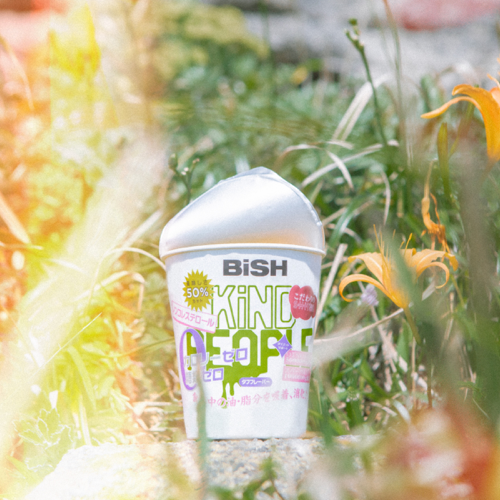
The central tension lies in this paradox: the narrator craves genuine connection, specifically seeking "kind people," yet simultaneously recoils from the honesty that such connection requires. The repeated plea for kindness feels less like a demand and more like a desperate whisper into the void, a hope that external gentleness can somehow mend internal fragility. The lyrics suggest a profound disconnect between the desire for solace and the fear of the vulnerability that might bring it.
A striking element is the contrast between the immense passage of time and the fragility of the present state. "Tens of thousands of hours" have passed, yet the narrator can "break" from "just one small thing." This highlights an emotional immaturity or a deep-seated trauma that prevents growth, despite the accumulation of experience. The wind whispering "just lose it" further emphasizes this internal conflict, tempting the narrator to discard everything rather than confront the pain of potential loss or the effort of maintaining relationships.
Ultimately, these lyrics resonate because they articulate a common human struggle: the desire for comfort without the willingness to be truly seen. The narrator's search for "kind people" is a search for an external balm for internal wounds, a hope that someone else's gentleness can provide the stability they cannot find within themselves. The raw admission of fear and the simple, repeated plea for kindness make the narrator's plight feel intensely personal and achingly relatable.
 View Artist