Song Meaning
The scene is intimate, bathed in dim light, where unspoken words hang heavy in the silence. The narrator acknowledges the indelible memories of a past relationship, not with sharp pain or longing, but a gentle melancholy. The stark reality is stated plainly: "Pois não somos mais um par" – they are no longer a couple. This quiet resignation sets a somber mood, a recognition of an ending that feels incomplete.
The core tension arises from the desire to circumvent this finality. The narrator rejects the idea of a definitive, abrupt separation, stating, "E não podemos terminar assim." There's a plea, a negotiation for a softer conclusion, a mutual agreement to find a way to part without the lingering sting of unresolved feelings or the harshness of a final, definitive break. It’s a wish to soften the blow of what has already happened.
The recurring image of opening the windows and letting the sun in is particularly striking. It’s an act of seeking clarity or perhaps a new beginning, yet it’s immediately followed by the admission of "Só um pensamento triste." The light doesn't dispel the sadness; it merely illuminates the quiet sorrow of their changed status. This contrast highlights the internal conflict: the outward action of moving on versus the persistent, gentle ache of what was lost.
This lyrical approach works because it captures the nuanced, often understated grief of a relationship's end. It’s not about explosive drama but the quiet, lingering sadness and the human impulse to seek a gentler closure. The request for "Só mais um beijo, um beijo pra acabar" is a poignant, almost desperate attempt to frame the ending not as a void, but as a final, tender moment that acknowledges the past without dwelling in the pain of the present separation.
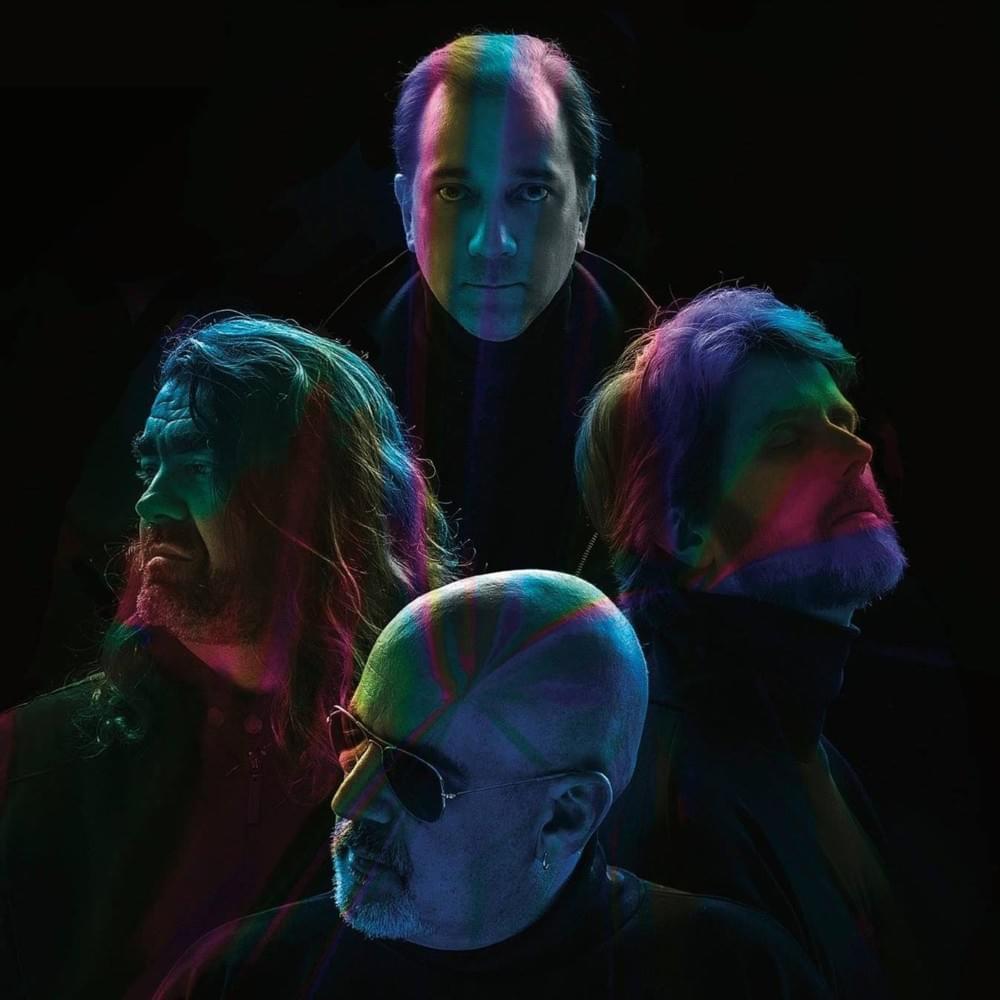
 View Artist