Song Meaning
The lyrics paint a stark picture of emotional fragmentation and lingering doubt after a relationship's apparent end. The narrator walks through the remnants of something broken, feeling like they are in pieces themselves, and the uncertainty of whether it's truly over hangs heavy. Despite the pain, there's a defiant refusal to engage with the other person's empty words, a choice to remain silent rather than accept insincere comfort.
The central tension lies in the feeling of being aged prematurely by the relationship's toll, a year of life lost for every day endured. This sense of accelerated decay is directly linked to falling back into a self-created trap, the "armadilha" (trap or snare) suggesting a recurring pattern of self-sabotage or vulnerability that the other person exploits. The late nights and unseen arrivals at home further emphasize a sense of isolation and perhaps a desperate attempt to escape the emotional wreckage.
The most striking aspect is the contrast between the narrator's "boca fechada" (closed mouth) and the other's "palavras vazias" (empty words). This highlights a profound disconnect and a refusal to participate in a dialogue that offers no genuine resolution. The repetition of "Você me fez envelhecer, um ano a cada dia" and "Você me fez cair outra vez, na minha armadilha" hammers home the cyclical nature of this destructive dynamic and its profound impact on the narrator's sense of self and time.
This writing is effective because it grounds abstract emotional pain in concrete, relatable imagery of fragmentation and premature aging. The refusal to speak, coupled with the acknowledgment of falling into one's own trap, creates a powerful sense of internal conflict and resignation. The listener is left with the raw feeling of being stuck in a painful loop, unable to fully escape the consequences of a relationship that has clearly taken a significant, aging toll.
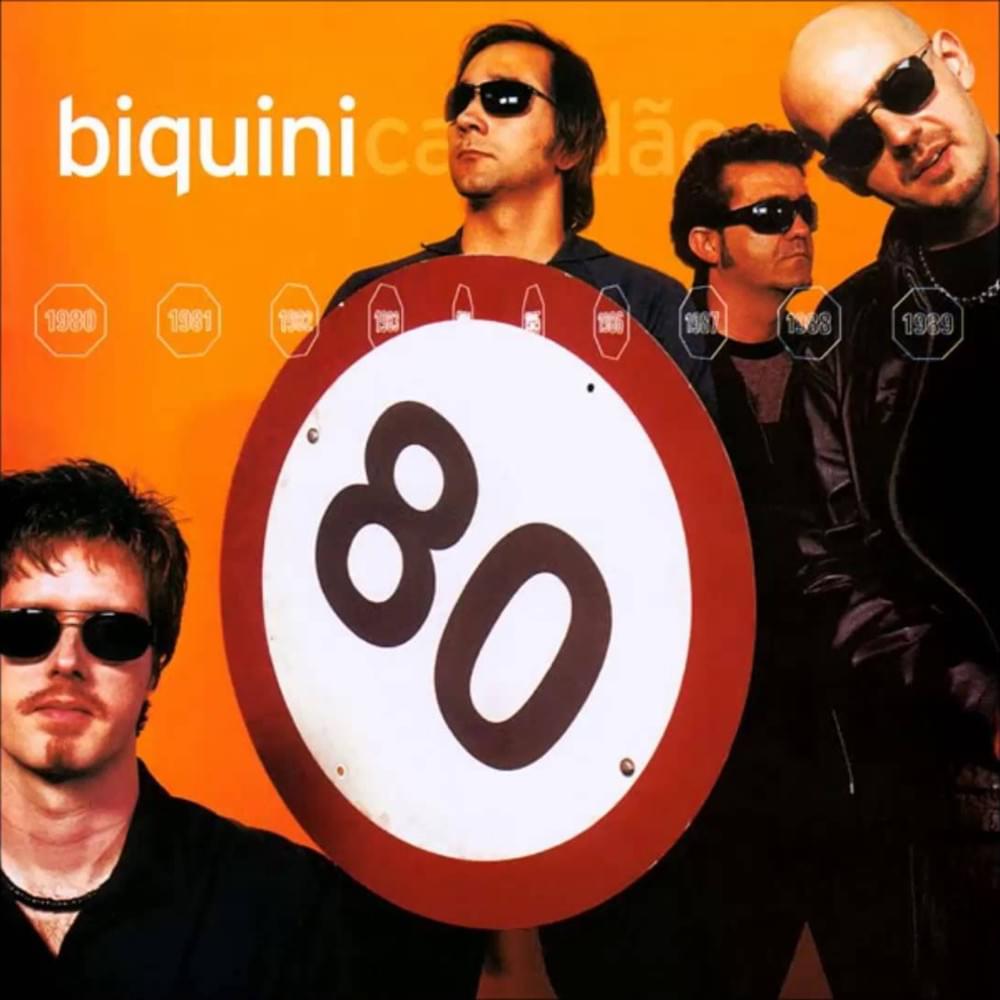
 View Artist