Song Meaning
The lyrics open with a seemingly cheerful, almost folksy morning scene, complete with a "rooster's crowin'" and the "sun is up." But this idyllic start quickly sours, revealing a reluctant awakening and the first hints of daily friction. The immediate emotional texture is one of forced optimism giving way to a more grounded, weary reality.
A central tension emerges between the societal expectation of a "nice day" and the mounting pressures of daily life. The speaker moves from a "lazy old sleepy head" to facing "toast is burnin'" and an internal "turn is churnin'," suggesting a growing unease. This internal struggle is then amplified by the cynical question, "who comes nearer than your pay?", implying that financial necessity, not genuine enthusiasm, drives the day.
The lyrics masterfully employ irony to underscore this conflict. The cheerful command "Cheer up and have a nice day" is delivered immediately after a bleak observation that "Doctor, lawyer, Injun chief / And everybody else is on relief." This jarring juxtaposition highlights the absurdity of maintaining a positive facade when widespread economic struggle seems to be the norm. The casual inclusion of "Injun chief" alongside other professions broadens the scope of hardship, making the forced pleasantry feel even more hollow.
The effectiveness lies in how these lyrics build a sense of inescapable obligation. From the chaotic "freeway's leapin'" and "horns beepin'" to the final image of "it's rainin'" while punching in, the narrative paints a picture of a relentless, often unpleasant routine. The repeated refrain, "Have a nice day," transforms from a simple greeting into a sarcastic, almost robotic command, perfectly capturing the feeling of being compelled to perform cheerfulness despite the grinding realities of work and economic insecurity.
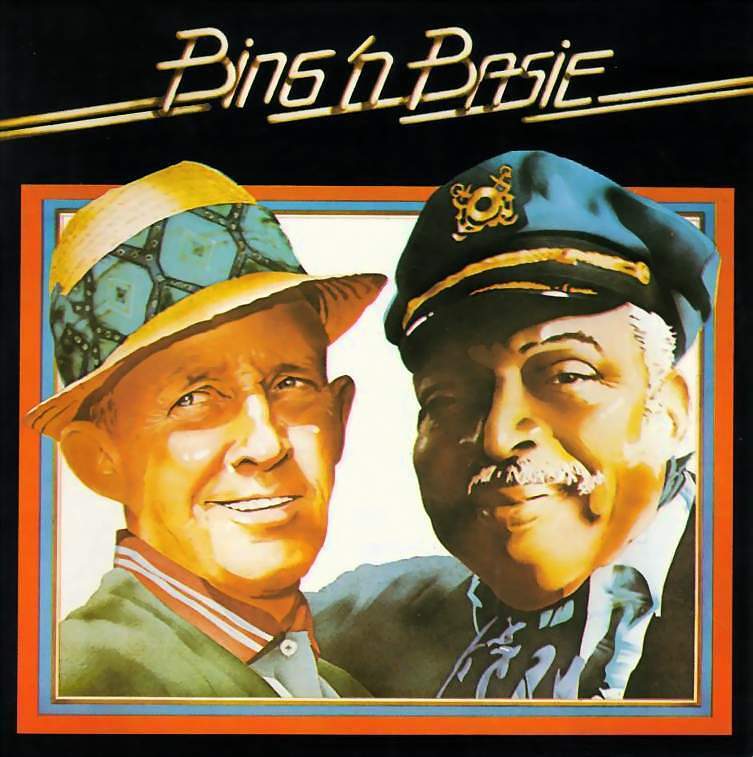
 View Artist