Song Meaning
The lyrics present a stark, almost defiant refusal of emotional vulnerability, framed by a simple, repetitive declaration. The opening lines establish a clear boundary, immediately shutting down any attempt at deeper connection or truth-telling. It’s a blunt assertion that the speaker is not open to being truly known or understood, setting a tone of guardedness from the outset.
This resistance seems to stem from a place of self-protection, a conscious decision to maintain a certain facade. The repeated phrase "You can’t be true, dear" acts as a shield, deflecting any potential intimacy or emotional exposure. It suggests a history or a present situation where being "true" might be perceived as dangerous or disadvantageous, leading to this preemptive dismissal.
The core of the song’s impact lies in its directness and the almost childlike, yet firm, repetition. There's no complex metaphor or elaborate imagery, just a straightforward, unwavering statement. This lack of embellishment makes the refusal feel absolute and unyielding, highlighting the speaker's commitment to their chosen stance of emotional distance.
Ultimately, the effectiveness of these lyrics comes from their unvarnished honesty about emotional unavailability. It’s a raw portrayal of someone actively choosing not to let their guard down, making the listener confront the stark reality of such a decision. The simplicity amplifies the emotional weight, leaving a lasting impression of resolute self-containment.
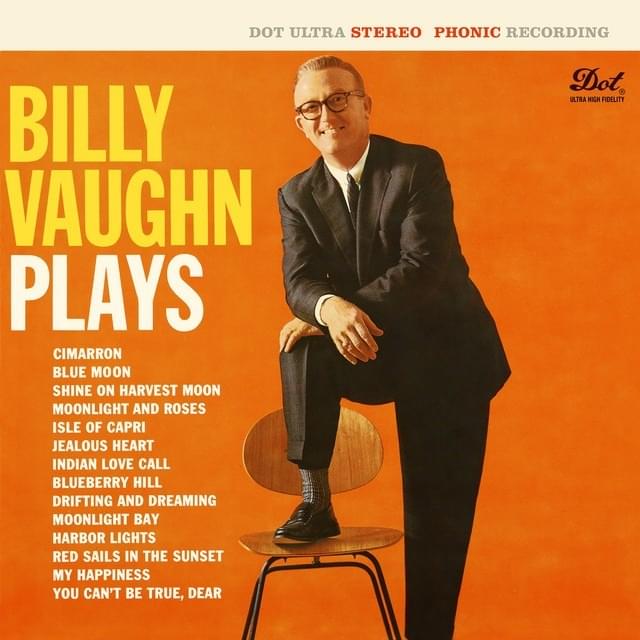
 View Artist