Song Meaning
Billy Squier's "Two" isn't the fist-pumping arena anthem one might expect, but instead a deeply personal, almost painfully intimate ballad. Stripped of the rock bravado, the song meaning centers on a father's love, longing, and perhaps a touch of regret for time and distance separating him from his young son on his second birthday. The lyrics paint a vivid picture of parental absence, felt acutely ("much farther than I would ever be from you"), highlighting the universal ache of missing significant milestones in a child's life. The narrator grapples with conflicting emotions: sadness at being away, countered by an overwhelming gratitude for the child's existence. This push and pull resonates with anyone who's experienced the bittersweet reality of parenthood, where joy and sacrifice are inextricably linked.
Beneath the surface of simple birthday wishes lies a complex emotional landscape. The line "Though mine you'll never truly be" hints at a complicated family dynamic. It suggests a separation or circumstance where the father's role is limited, adding a layer of poignant vulnerability to the song. He is an observer, promising to "watch you grow," accepting a role that is perhaps not as central as he desires. This sentiment elevates the song beyond a mere expression of paternal affection; it becomes a meditation on the nature of family, belonging, and the enduring power of love despite physical or emotional distance.
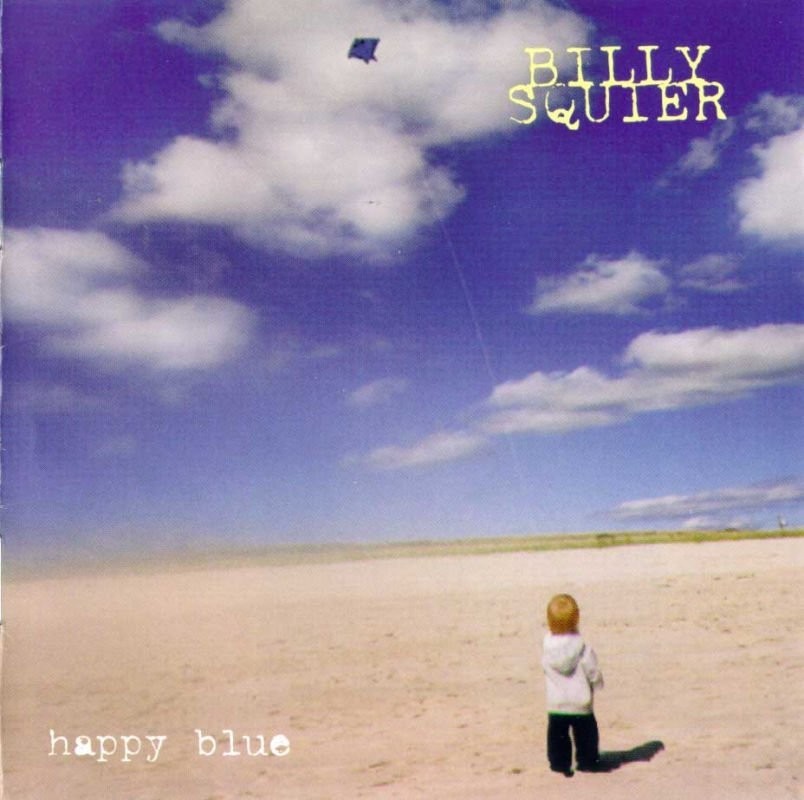
The final verse shifts to a hopeful vision for the child's future, filled with "kites and sand castles and colored elephants." The narrator wishes the boy a life of wonder and encourages him to embrace the world with unbridled optimism. The closing lines, "I see the world for all it's meant to be / And know that all of it is meant for me," capture the essence of childhood innocence and the belief in limitless possibility. Through the son's eyes, the father finds a renewed sense of hope and purpose, suggesting that even in absence, the child's spirit provides solace and inspiration. "Two" becomes a testament to the enduring bond between father and son, a quiet but powerful declaration of love that transcends physical separation.
 View Artist