Song Meaning
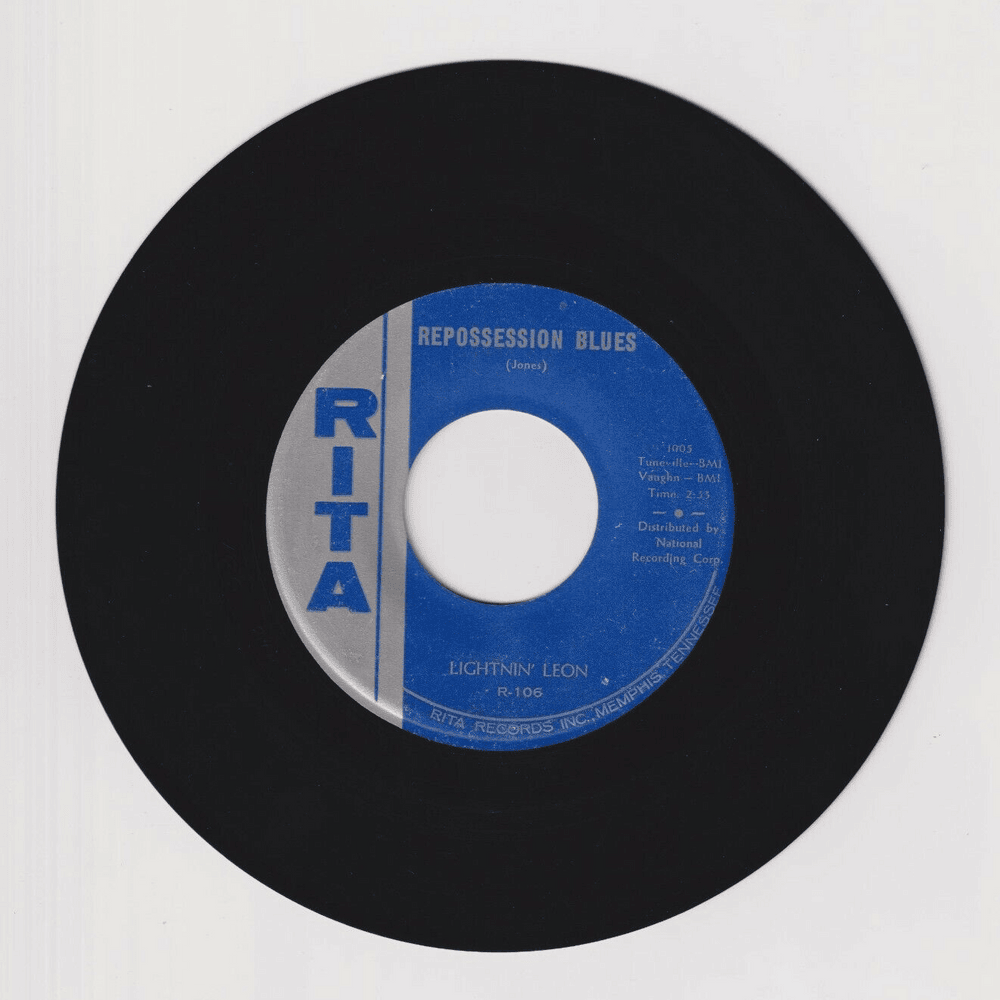
Billy Lee Riley's "Repossession Blues" isn't just a lament; it's a stark, economic gut-punch delivered with raw, bluesy defiance. The song's meaning is etched in the desperation of a man facing total financial ruin. Riley doesn't sugarcoat the experience. He's broke, plain and simple, and the vultures are circling to strip him bare. The opening lines, repeated for emphasis, hammer home the crushing reality: "Well, I ain't got no money / I'm gonna lose everything I own." This isn't some abstract artistic statement; it's a visceral cry of someone staring down the barrel of dispossession.
The lyrics paint a picture of a rapid descent. He brags about a 'baby blue Bentley' bought with a mere twenty dollars down, highlighting the unsustainable nature of his spending and perhaps, a broader critique of consumerism fueled by easy credit. It’s a fleeting moment of aspirational joy instantly crushed by the inevitable: "Well, now the bank they done come out and got it / Yes, and I gotta walk everywhere." The loss of the car isn't just about transportation; it's a symbol of lost status, a public shaming.
As the song progresses, the sense of helplessness deepens. The line "They even got my television / Now they're coming for my radio" reveals the relentless nature of the debt collectors. These aren't just possessions being taken; they're sources of entertainment, connection to the outside world, and perhaps, even a sense of identity. The final accusation, "They say I pay my a-bills too slow," hints at a system rigged against him. "Repossession Blues" isn't just a personal tragedy; it's a broader commentary on economic inequality and the predatory practices that can leave individuals stripped of their dignity and material possessions.
 View Artist