Song Meaning
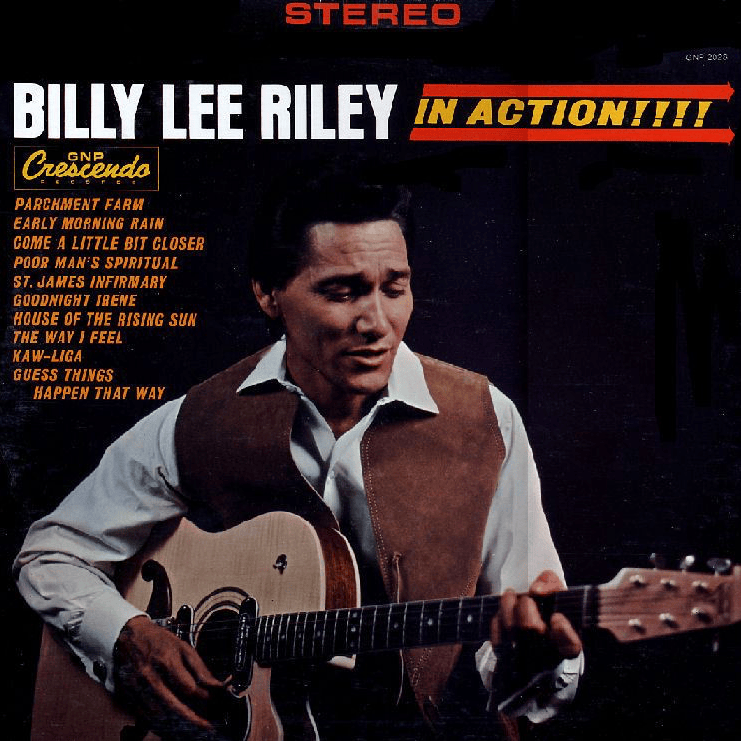
"House of the Rising Sun," as interpreted by Billy Lee Riley, isn't just a song; it's a stark, cautionary plunge into the abyss of addiction and regret. The Rising Sun, a euphemism for a brothel or gambling den in New Orleans, becomes the central metaphor for a life spiraling out of control. Riley's rendition, steeped in bluesy grit, amplifies the inherent tragedy of the lyrics, transforming a traditional folk lament into a personal confession of ruin. The song meaning hinges on the narrator's awareness of his self-destructive path, a path paved by the sins of his father and the allure of easy escape. It's a vicious cycle, where the promise of fleeting pleasure leads only to lasting pain.
The biographical snippets woven into the narrative—a mother sewing jeans, a father consumed by gambling—paint a picture of a fractured family legacy. This inheritance, however, isn't one of wealth or opportunity, but of vice and despair. The gambler's transient existence, encapsulated in "a suitcase and a trunk," highlights the rootlessness and instability that define the narrator's life. The repeated assertion that satisfaction is only found when "all a-drunk" underscores the self-medicating nature of addiction, a desperate attempt to numb the pain and escape the consequences of one's choices.
Ultimately, "House of the Rising Sun" is a plea for redemption, not for the narrator himself, but for future generations. The cautionary message to "mother tell your children not to do what I have done" reveals a flicker of hope amidst the darkness. It's an acknowledgement of the devastating impact of addiction, not just on the individual, but on the entire family. Riley's raw vocal delivery, combined with the haunting melody, transforms this song into a timeless warning against the seductive allure of self-destruction, forever echoing through the corridors of American music.
 View Artist