Song Meaning
The lyrics open on a stark, intimate farewell. The speaker is addressing their "bottom dollar," personifying it as a cherished, departing friend. There's a palpable sense of finality and regret as they acknowledge "It looks like the end."
This isn't just about being broke; it's about a profound, if misguided, attachment. The dollar is hailed as "the best of friends," a companion the speaker claims to have "counted on" countless times. This deep reliance creates a poignant tension, as the speaker laments the loss of something they've leaned on so heavily, even if that something is just currency.
The genius here lies in the sustained personification. The "bottom dollar" isn't merely money; it's a confidant whose "friends are gone," spent on "dancehall girls and wine." This vivid detail paints a picture of past indulgences, suggesting a life where money flowed freely, making the current moment of scarcity all the more stark. The recurring image of eagles flying subtly nods to the currency itself, but also evokes a sense of freedom and swift departure, underscoring how quickly wealth can vanish.
Ultimately, these lyrics resonate because they transform a common financial predicament into a deeply personal narrative. By treating money as a loyal, albeit fleeting, companion, the speaker's lament becomes surprisingly affecting. The declaration, "You've been the best friend I've ever known," while hyperbolic, captures a raw, desperate sentiment of reliance, making the farewell feel genuinely sorrowful and relatable to anyone who's faced their own "bottom dollar" moment.
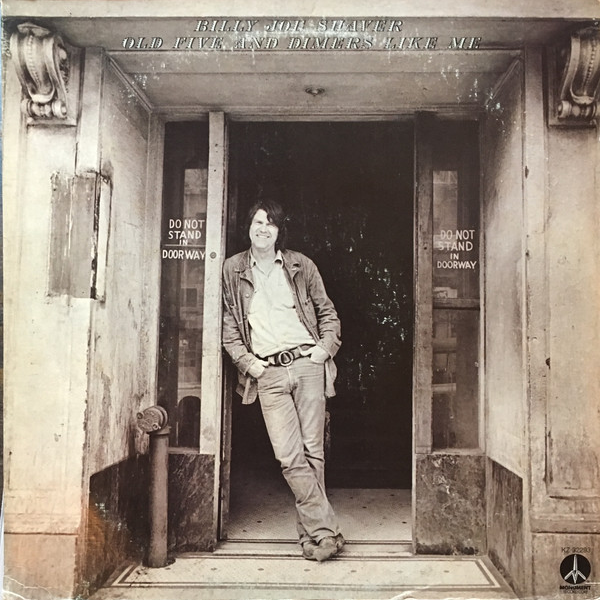
 View Artist