Song Meaning
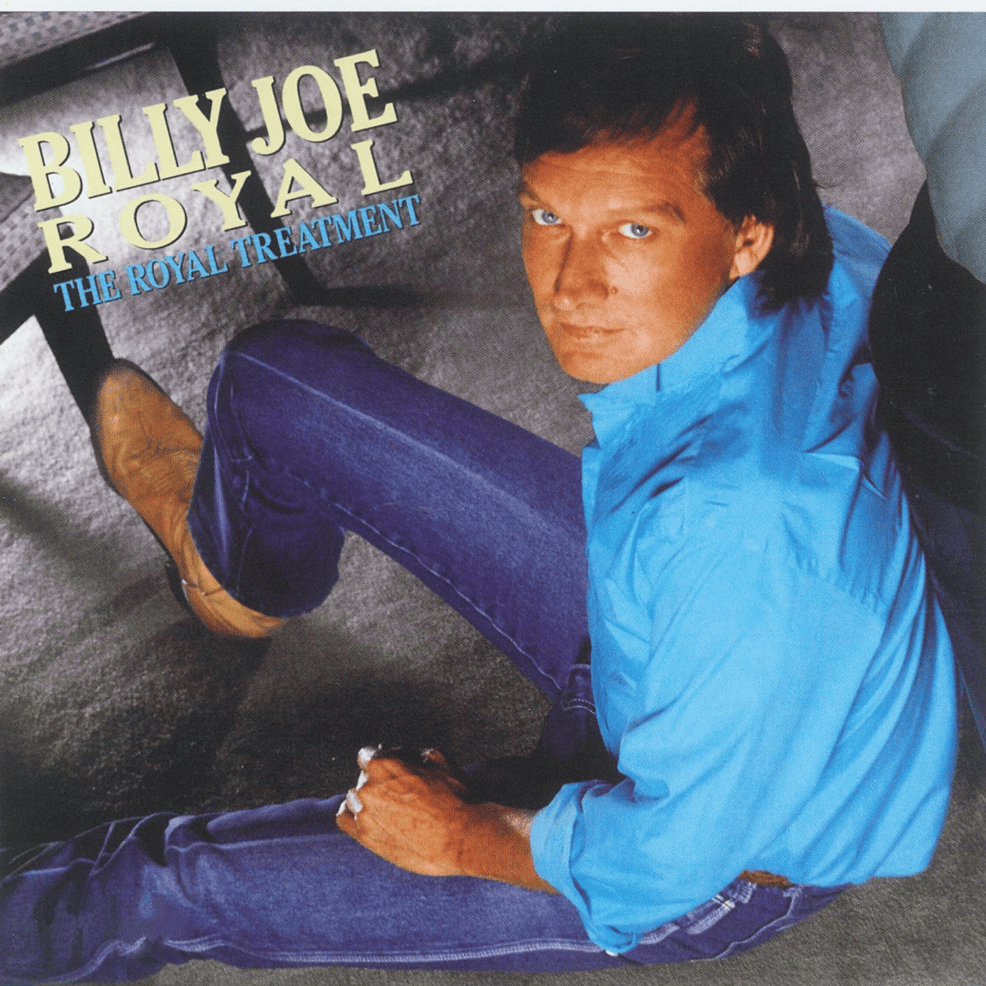
Billy Joe Royal's "Look What You've Done To My Heart" is less a boast and more a wounded confession. It's a raw, almost accusatory, exploration of vulnerability unexpectedly exposed. The lyrics paint a picture of a heart ambushed, not necessarily maliciously, but with a force that leaves it reeling. The opening lines, "You ran into it in the dark," suggest an accidental collision, a love that wasn't sought but found its mark with brutal efficiency. The speaker isn't celebrating a grand romance; he's assessing the damage. The repeated phrase, "Look what you've done to my heart," underscores the speaker's sense of bewilderment and perhaps a touch of resentment, as though he's presenting evidence of a crime of passion.
The song's power lies in its acknowledgment of imperfection. The heart "skips now and then," reflecting a love that isn't smooth or easy but rather a disruptive force. This broken rhythm isn't presented as a flaw but as a testament to the profound impact of the other person. There's a pleading quality in the lines, "every beat it's missing / Just needs you to start," implying that the speaker's very existence is now contingent on the presence and validation of this newfound love. This dependence, this loss of self-sufficiency, is both frightening and exhilarating.
Beyond the immediate impact, the song delves into the speaker's prior emotional state. He "never dreamed" he would experience such profound love, suggesting a life lived cautiously, perhaps even defensively. The admission of losing his head and falling "so hard" is a testament to the disarming power of this unexpected connection. The later verses introduce a sense of longing and incompleteness. His hands "need your touch" in a way they never have before, and his soul, dormant until now, is "waiting for your spark." This imagery transforms the song from a simple lament into a desperate plea for reciprocation, a yearning for completion that only the other person can provide. The slight shift in the final line, "Look what you're doing to my heart", from past to present tense, emphasizes that this vulnerability and transformation is still actively underway.
 View Artist