Song Meaning
Billy Joe Royal's "Leaning on You" isn't just a love song; it's a stark depiction of codependency, a vulnerability laid bare with uncomfortable honesty. The lyrics paint a portrait of someone whose self-reliance has eroded, replaced by an almost paralyzing dependence on another person's approval. The opening lines establish a past of independence, now contrasted with a present where even the smallest decisions hinge on external validation. This isn't the rosy picture of partnership; it’s a confession of weakness. The core of the song meaning resides in the pre-chorus. The lines "when I'm holding your hand, I'm holding my breath / If I thought you'd ever leave me, it would scare me to death" reveal a fear so profound it borders on existential dread. It suggests a fragile ego, one that perceives abandonment as a fatal blow.
The repetition of "leaning on you too much" in the chorus acts as both a lament and a reluctant admission. It's not just affection; it's an imbalance of power, a reliance that the speaker seems aware of but feels powerless to change. The phrase isn't celebratory; it carries a weight of self-reproach and a sense of being trapped. The second verse doubles down on this theme. Every breath, every step, every move is contingent on the other person's approval, highlighting a complete surrender of autonomy. The song's simplicity is its strength. Royal doesn't cloak the sentiment in flowery language. He delivers a raw, almost painful expression of emotional reliance, a stark portrayal of the shadow side of love.
Ultimately, "Leaning on You" resonates because it taps into a universal fear: the fear of being alone, the fear of not being enough. While it may be dressed up as a romantic ballad, a closer lyrics analysis reveals a far more complex and unsettling truth. It's a cautionary tale about the dangers of losing oneself in another person, a stark reminder that true strength lies not in dependence, but in the ability to stand alone. The slightly desperate tone, amplified by the outro where "everybody says" he's leaning too much, underscores the public acknowledgement of a private struggle. It's a vulnerability many experience but few are willing to articulate with such unflinching candor.
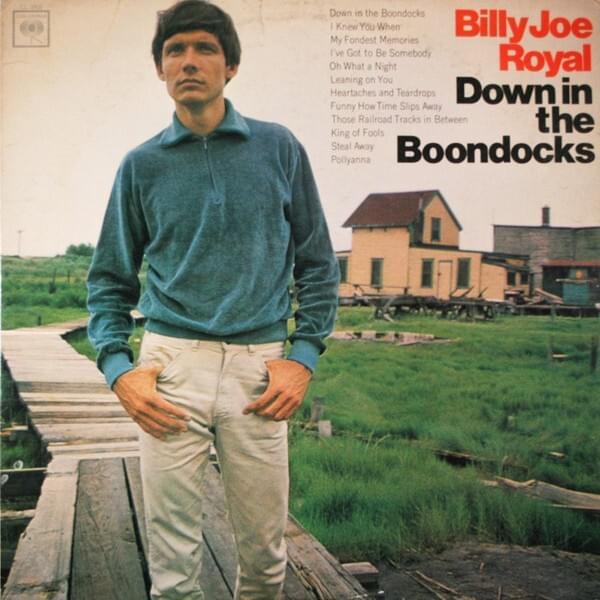
 View Artist