Song Meaning
Billy Joe Royal's lament, "I Miss You Already," isn't just another breakup ballad; it's a raw dissection of regret, delivered with the emotional weight of a man watching his world crumble in slow motion. The genius – and the gut-wrenching pain – lies in its anticipation. The singer isn't mourning a love lost in the distant past; he's experiencing the agony of separation in real-time, the absence of his beloved already a palpable ache even as she stands before him. This anticipatory grief, this pre-emptive strike of loneliness, elevates the song beyond simple heartbreak. It speaks to a deeper fear: the fear of being alone with the consequences of one's own actions.
The lyrics paint a portrait of a man acutely aware of his failings. Lines like "I've had too many chances now I'll have to set you free" hint at a history of repeated mistakes, a pattern of behavior that has finally driven his lover away. It’s not just the loss of the relationship he mourns, but the self-awareness that he is the architect of his own despair. The repeated phrase "too late I know" acts as a constant, self-inflicted wound, a reminder that insight often arrives only after the damage is done. He's not begging for another chance; he seems resigned to his fate, understanding that his past actions have irrevocably sealed his future. The promise of “no more alibis” rings hollow, not because it’s insincere, but because it’s too late to rewrite the narrative.
Ultimately, “I Miss You Already” resonates because it captures a universal truth about human relationships: the agonizing gap between knowing what we should do and actually doing it. The rawness of Royal's delivery, combined with the stark simplicity of the lyrics, creates a space for listeners to project their own regrets and missed opportunities. It's a song that acknowledges the painful reality that sometimes, the greatest tragedies are the ones we see coming, powerless to stop them. The song meaning rests on the knife edge of self-awareness and the bitter taste of consequences, making it a timeless exploration of love, loss, and the enduring sting of regret.
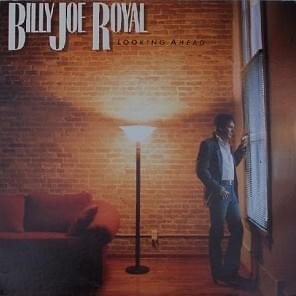
 View Artist