Song Meaning
Billy Burnette's "Too Bad I Missed You" isn't just a lament; it's a brisk autopsy of a romance that never quite sparked. The driving rhythm and deceptively simple lyrics belie a complex emotional landscape. The opening lines, dripping with regret – "Too bad I missed you baby / Too bad it might have been fun" – immediately establish a sense of lost opportunity, but it's an opportunity the narrator is already distancing himself from. The repetition of "Too bad" almost sounds like a mantra, a way to rationalize the disappointment. The admission, "I think you're number one," is quickly undercut by the rest of the song, revealing a deeper conflict. Is she *really* number one, or is that just the initial sting of rejection talking?
Beneath the surface of the catchy melody lies a sharp critique of the woman's perceived self-importance. The narrator's wounded pride surfaces in the lines, "I don't wanna give you no more my love / 'Cause you think that I'm not at all worth having." This hints at a power imbalance, a feeling of being undervalued and dismissed. The plea, "Don't place yourself too high above me," suggests a struggle for equal footing that the narrator ultimately lost. The core of the song meaning emerges here: it's not just about missing a chance at love, but about rejecting a relationship built on unequal terms.
The final verse seals the deal, transforming regret into defiance. The narrator's initial infatuation curdles into disillusionment: "You are not at all what you think you are." He acknowledges her physical attractiveness ("A fine looking woman you may be") but dismisses its significance, declaring, "loving you is hard." This isn't just about unrequited affection; it's about recognizing that her personality, her inflated ego, makes a genuine connection impossible. The ultimate kiss-off – "Just go on take your good looks / 'Cause they don't mean a thing to me no more" – is a powerful act of self-preservation, a rejection of superficiality and a reclaiming of self-worth. "Too Bad I Missed You" transforms from a wistful ballad into a declaration of independence, a recognition that sometimes, missing out is the best outcome.
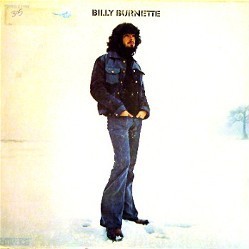
 View Artist