Song Meaning
Billy Burnette's "Tear It Up" isn't striving for lyrical complexity; its raw energy and primal call to abandon define its core. The track, built on repetition and a driving rhythm, functions less as a narrative and more as a pure, unadulterated invitation to ecstatic release. The phrase "tear that dance floor up" becomes a mantra, a command to shed inhibitions and embrace the moment's visceral power. It's a celebration of physicality, where movement and energy are the only languages spoken. The simplicity of the lyrics points to a deeper, perhaps even subconscious, need for liberation through dance. There's a primal urge being tapped into here, a desire to break free from constraints, even if only for the duration of the song. The repeated exhortations serve to amplify that feeling, creating a snowball effect of escalating excitement.
Beyond the immediate call to dance, a subtle undercurrent of transience and impending departure emerges. The lines "I'm leavin' little baby gonna be gone a long long time" inject a bittersweet edge into the otherwise frenetic atmosphere. This knowledge of fleeting connection heightens the urgency of the present moment. The 'tearing up' isn't just about the dance floor; it's about squeezing every last drop of joy from a situation known to be temporary. It's about creating a memory, a burst of shared energy that will linger even after the departure. The implied narrative suggests a farewell, not necessarily sad, but certainly poignant, making the abandon on the dance floor a defiant act of living in the face of inevitable change.
The cyclical structure of the song, looping back to the central command to "tear it up", mirrors the repetitive, almost hypnotic nature of dance itself. Each iteration of the phrase becomes more charged, more insistent. Burnette isn't just asking us to dance; he's demanding we lose ourselves in the rhythm, forget our worries, and connect with the raw, untamed energy within. The song's power lies not in its complex storytelling or profound insights, but in its ability to tap into our most basic human desires for connection, release, and the fleeting beauty of shared experience. "Tear It Up" is a reminder that sometimes, the most profound statements are made not through words, but through the exhilarating act of letting go.
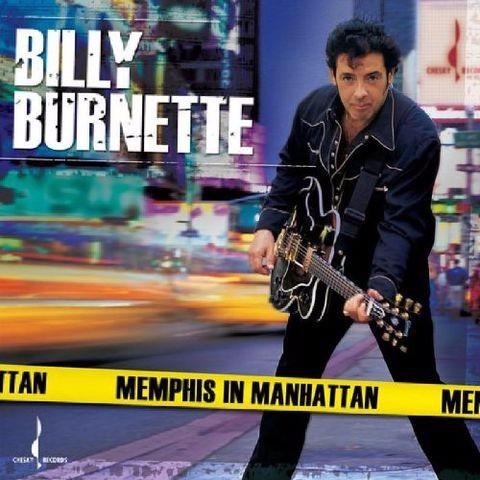
 View Artist