Song Meaning
The lyrics paint a picture of a disruptive force, personified as a "little red rooster," who is too indolent to fulfill his expected role but still manages to cause chaos. His laziness, paradoxically, is the very thing that keeps the "farmyard upset in every way." This suggests a character whose inaction is more potent than any active mischief, creating a pervasive sense of unease.
The central tension arises from the rooster's disruptive presence and the farmyard's reaction. The "dogs begin to bark" and "hounds begin to howl," indicating alarm and agitation spreading throughout the community. The warning to "watch out strange cat people" implies the rooster's prowl affects even those outside the immediate farmyard, highlighting his wide-reaching, unsettling influence.
The most striking element is the contrast between the rooster's "lazy to crow" nature and his ability to "keep everything in the farmyard upset." This inversion of expectation—inaction breeding disorder—is the core of his impact. The repeated plea to "drive him home" and the lament that there's "ain't had no peace" since he's been gone underscores the relief his absence brings, further emphasizing his disruptive power even when he's not actively crowing.
These lyrics resonate because they capture the unsettling feeling of a destabilizing presence that doesn't conform to typical troublemaker archetypes. The rooster's passive disruption creates a unique kind of anxiety, where the lack of expected action is itself the source of unease, making the farmyard's plea for his return (or rather, his *absence* being a relief) a poignant commentary on peace and order.
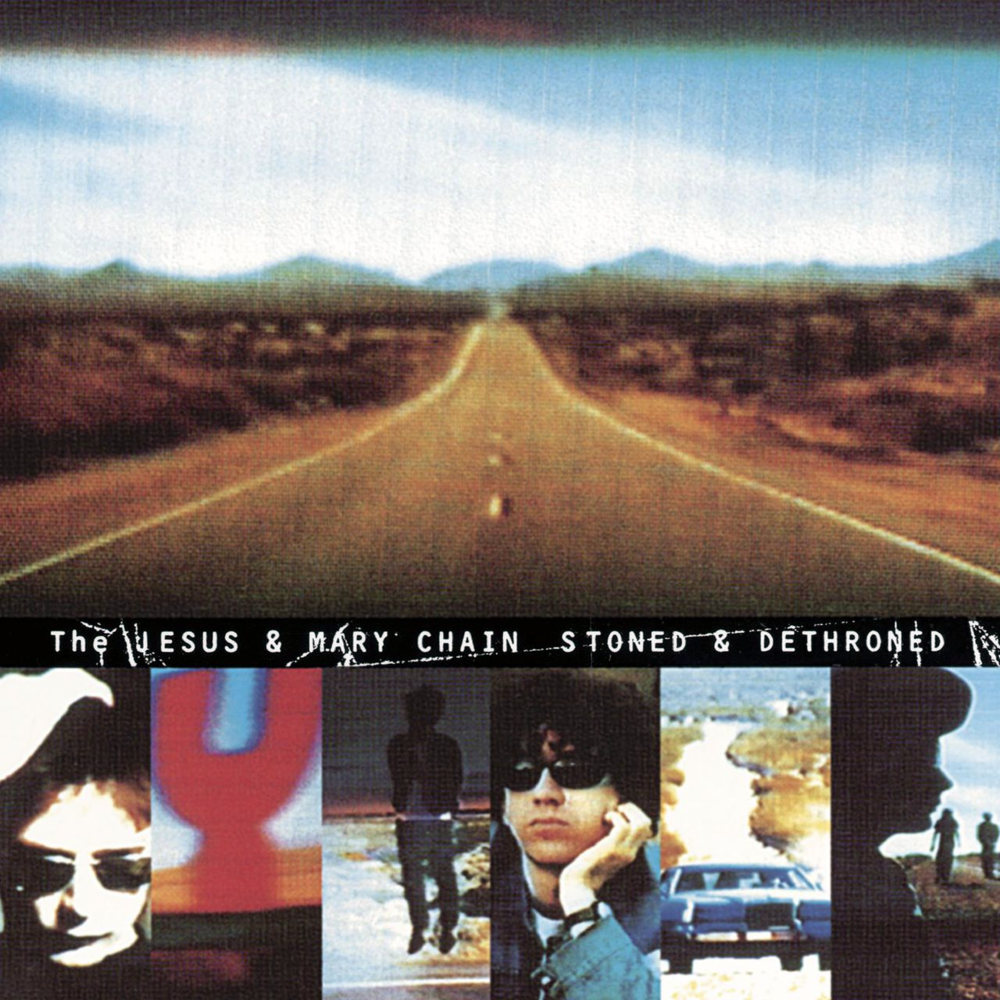
 View Artist