Song Meaning
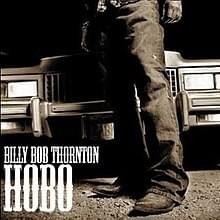
Billy Bob Thornton's "Hobo" isn't a romanticized ode to train-hopping; it's a stark portrait of disillusionment and a fall from grace. The repetition of "Mama used to feed the hobos / Now I'm a hobo" functions as a haunting refrain, underscoring a dramatic reversal of fortune. It's a primal image—the nurturing mother contrasted with the speaker's current state of destitution. This isn't just about material poverty; it's about a loss of innocence and a descent into a marginalized existence. The lyrics evoke the psychological concept of identification with the aggressor or, perhaps more accurately, identification with the pitied.
The stark simplicity of the lyrics belies a deeper unease. The lines about eating "scraps and things" highlight the dehumanization inherent in the speaker's situation. It's a visceral image of survival at its most basic, a stark contrast to the remembered generosity of the mother. Then comes the premonition: "Mama said California / Was going to fall in the ocean, now I'm in the ocean." This isn't literal; it's a metaphorical drowning, a prophetic warning of impending doom now realized. California, often a symbol of dreams and opportunity, becomes the site of ruin.
Perhaps the most telling lines are those concerning the shift in perspective: "When I was a child I loved the people / Now I'm afraid of the people." This fear speaks to a fundamental loss of trust, a world-weariness born from hardship. The innocence of childhood is gone, replaced by a guarded, defensive stance. The final repetition, "Now where is mama?" is a desperate cry for the lost security and nurturing of the past. It's a regression to a childlike state, a yearning for the one person who offered unconditional care in a world that has become hostile and unforgiving. The song meaning, therefore, resides not in the literal state of being a hobo, but in the emotional and psychological disintegration that leads to such a state.
 View Artist