Song Meaning
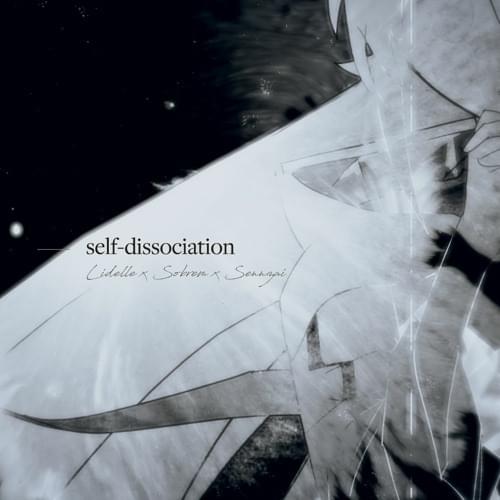
The narrator is trapped in a cycle of self-recrimination after a relationship ends. They’ve exhausted themselves trying to reach someone who’s gone, a desperate act that leaves them alone with their regret. The opening lines paint a picture of vocal exhaustion, a physical manifestation of their emotional turmoil. This initial plea quickly morphs into a painful realization: the person left behind, the one suffering the consequences, is actually the narrator themselves.
The core tension lies in the narrator’s desperate attempt to understand what went wrong, cycling through potential faults like being "rude? or selfish? maybe impatient?". This internal interrogation highlights a profound self-doubt and a desperate need for answers that remain elusive. The contrast between their intense internal struggle and the complete absence of the other person underscores their isolation. They are left to grapple with their perceived failings without any external validation or resolution.
The phrase "Je me dédaigne" is a striking, almost jarring, interjection. It translates to "I disdain myself," a powerful declaration that cuts through the self-questioning. This isn't just regret; it's a deep-seated self-loathing that crystallizes the narrator's internal state. The lyrics suggest this self-disdain is the ultimate conclusion drawn from their failed attempts to reconcile or understand the breakup, a final, bitter judgment passed upon themselves.
This raw, unflinching self-examination is what makes the lyrics hit so hard. The narrator doesn't shy away from their own perceived shortcomings, even as they mourn the loss. The shift from blaming external factors to internalizing the blame, culminating in self-disdain, creates a potent emotional arc. It’s a stark portrayal of how loss can lead to a profound and painful confrontation with oneself.