Song Meaning
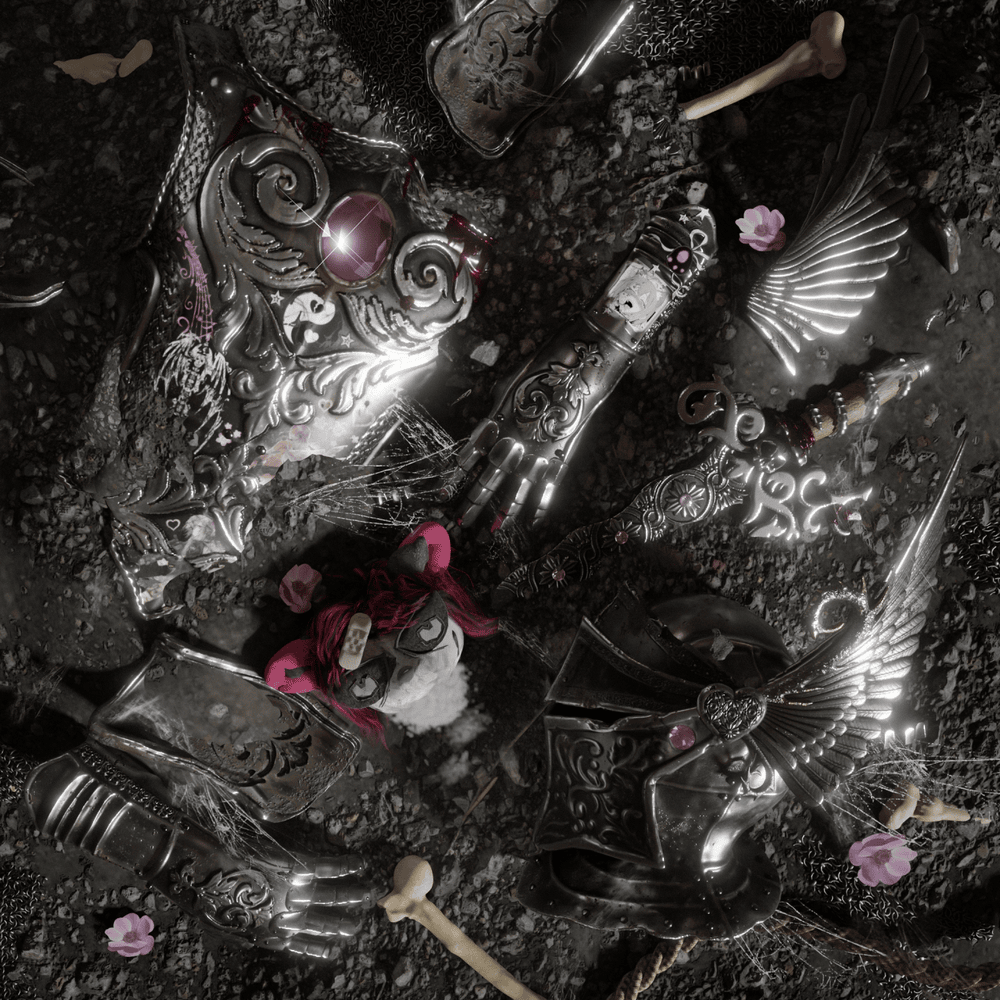
The lyrics paint a stark picture of a desire for purity and escape, set against a backdrop of decay and loss. The imagery of falling snow covering filth and a plea for a flower to bloom in a desolate landscape immediately establishes a tone of desperate hope. The narrator questions alternative paths, wishing to be stripped bare and enveloped in a pure white color. This intense yearning for cleansing is contrasted with the grim reality of their shared fate: blood melting snow, leading to simultaneous decay. The recurring phrase "洁白的爱" (pure white love) becomes a haunting refrain, suggesting an ideal that is perhaps unattainable or corrupted.
The central tension lies in the narrator's struggle with identity and belonging within a relationship. They declare their heart belongs to someone else, yet acknowledge their fundamental difference: "可我不是你" (but I am not you). This divergence fuels a sense of internal conflict, marked by broken wings and intertwined love and hate. The lyrics suggest a deep-seated self-doubt, particularly when the narrator questions themselves "每个夜里" (every night). This internal turmoil is amplified by the external circumstances, where blooming flowers are anticipated only after wilting, and freedom is desired but feared.
A striking element is the repeated descent, "往下坠" (falling down), which appears in a relentless, almost hypnotic sequence. This phrase is bookended by conflicting desires: "我想离开" (I want to leave) and "不想离开" (I don't want to leave). This oscillation captures the paralysis of someone caught between the urge to escape a destructive situation and the fear of what lies beyond, or perhaps a desperate clinging to the familiar, even if it's ruinous. The repetition emphasizes the overwhelming nature of this downward spiral and the narrator's inability to break free.
Ultimately, these lyrics resonate through their raw depiction of a soul grappling with corruption and an idealized purity that seems just out of reach. The contrast between the pristine imagery of snow and flowers and the visceral reality of melting blood and decay creates a powerful emotional impact. The internal conflict, amplified by the cyclical nature of the falling imagery, conveys a profound sense of being trapped, making the narrator's plea for a "洁白的爱" feel both desperate and tragically futile.
 View Artist