Song Meaning
The narrator crafts a vivid picture of a life lived with imagination, rejecting the mundane. They're not just riding a horse, but a 'flying horse,' and their existence is a 'real-life fairy tale.' This isn't a simple refusal of adulthood, but a desire to retain that sense of wonder and magic, pushing back against any force that threatens to extinguish it. The lyrics establish a clear defiance against external pressures that seek to impose a rigid, joyless path.
The core tension lies in the narrator's struggle against the perceived inevitability of losing their authentic self. They lament, 'I am losing the old me, I am becoming the me I hate.' This fear is amplified by the pronouncements of others, who dictate that growing up means becoming a 'tool,' losing oneself, and embracing a life of endless work, manipulation, and deceit – all framed as 'reason' and 'necessity.' The repeated, emphatic 'I don't want to grow up' underscores this deep-seated resistance to this imposed transformation.
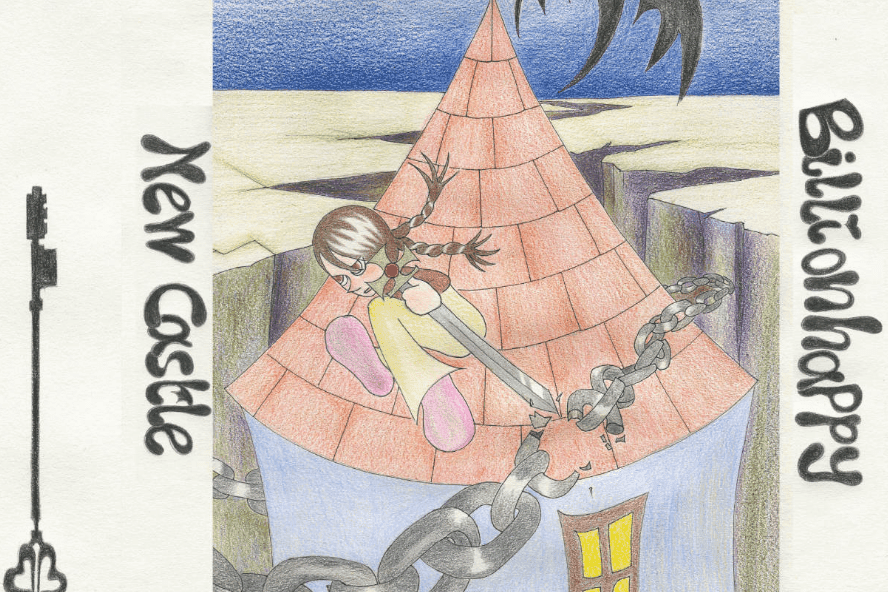
What's particularly striking is the powerful, almost desperate, invocation of flight as an escape. The repeated 'Go fly fly' and 'We can definitely go' sections, interspersed with English phrases about limitless potential, create a soaring, liberating counterpoint to the oppressive list of adult obligations. This isn't just a wish; it's a command to break free from the 'shackles' of limitations and 'unlock the pain,' suggesting that perpetual flight is the only way to avoid the dreaded maturation.
Ultimately, the lyrics resonate because they tap into a universal yearning to preserve innocence and individuality against the homogenizing forces of adulthood. The raw, repetitive pleas and the imagery of flight combine to create an anthem for anyone who feels the pressure to conform and lose themselves in the process. The narrator's plea to 'fly fly fly' until they 'never have to grow up' is a poignant articulation of the desire to hold onto the magic of youth, even as the world insists on its demise.
 View Artist