Song Meaning
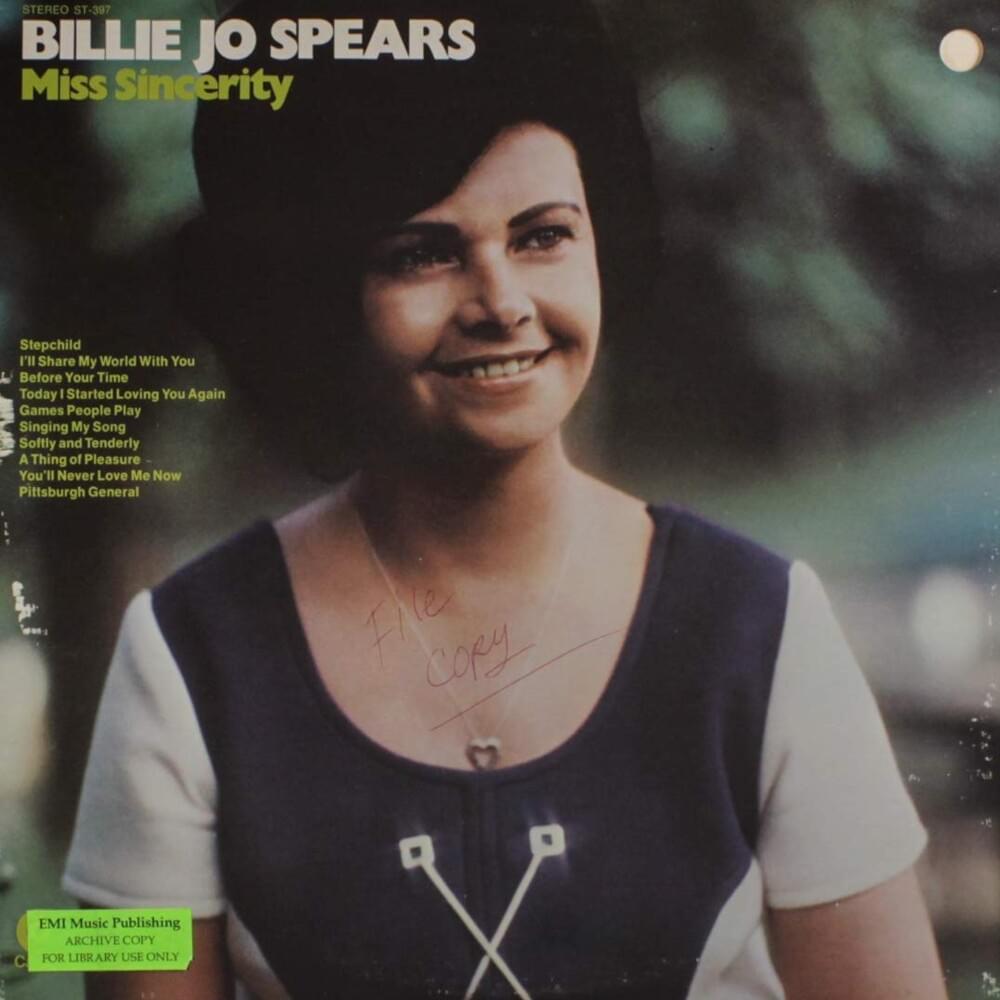
Billie Jo Spears' plaintive cry in "You'll Never Love Me Now" isn't just about romantic disillusionment; it's a eulogy for lost time and wasted emotional investment. The lyrics paint a portrait of belated realization, the kind that hits with the force of a physical blow. It's the gut-wrenching moment when the scales fall from your eyes, and you understand that the affection you craved was never truly there. The opening lines, acknowledging the other party's admission of guilt, immediately subvert any expectation of reconciliation. The damage, Spears implies, is far beyond repair; an apology is meaningless in the face of fundamental absence of love. Her pride, once a source of strength, is now a 'wounded' thing, highlighting the deep personal cost of this awakening. The repeated assertion, 'If you never loved me then you'll never love me now,' acts as both a defiant statement and a sorrowful acceptance. This isn't a plea for change, but a firm declaration of closure.
The song meaning lies in the painful recognition of emotional manipulation. Spears sings of being 'fooled all the way,' underscoring a pattern of deceit that only became clear with the harsh light of day. This speaks to a common psychological dynamic within dysfunctional relationships: the tendency to ignore red flags and rationalize hurtful behavior in order to maintain the illusion of love. The line 'When I really needed you that's when you let me down' is particularly poignant. It encapsulates the ultimate betrayal: the absence of support during a moment of vulnerability, confirming the lack of genuine emotional connection. It's not just about the absence of romantic love; it's about the absence of basic human empathy and care.
Ultimately, "You'll Never Love Me Now" transcends the typical country heartbreak ballad. It's a raw, unflinching examination of self-deception and the difficult process of reclaiming one's life after emotional exploitation. The repeated request to 'just let me live again' isn't a sign of weakness, but a testament to Spears' resilience. It's a declaration of independence, a refusal to remain trapped in a cycle of unrequited affection. The song's power resides in its stark simplicity and its unflinching honesty, resonating with anyone who has ever experienced the painful realization that the love they sought was never truly there.
 View Artist