Song Meaning
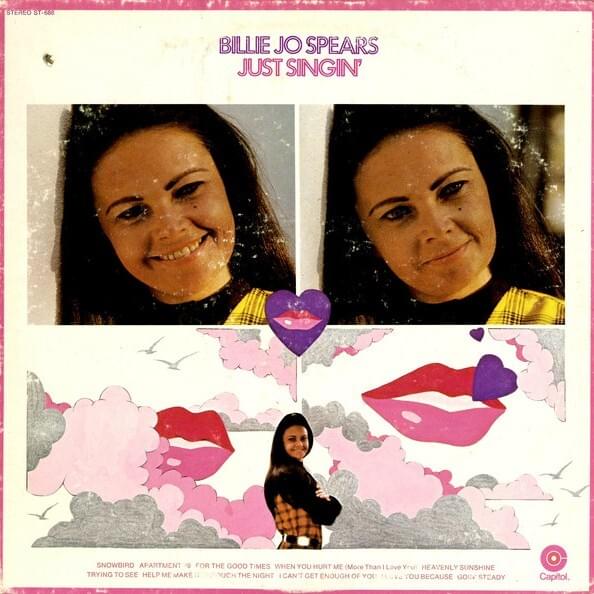
Billie Jo Spears' "Trying to See" isn't just a country lament; it's a forensic examination of lost love, a post-mortem on a relationship where the speaker is now utterly baffled by her past self. The opening lines, a polite yet pointed "Pardon me if I seem to stare," immediately establish the song's central tension: a desperate attempt to reconcile present disillusionment with a past infatuation. The repeated phrase, "I'm just trying to see what I ever saw in you," becomes a mantra of bewildered regret, a circular argument with a ghost of a feeling. It's the kind of sentiment that hits hard for anyone who's ever looked back at a former relationship and wondered, 'What was I thinking?'
The lyrics cleverly imply a power imbalance. References to holding someone "in the home of your hand" and having the speaker "at your command" suggest a manipulative dynamic, a subtle assertion that the singer was once under a spell she now struggles to comprehend. The mention of looking into "those eyes" evokes a past vulnerability, hinting at a perceived authenticity that time has cruelly eroded. The question isn't just about lost love, but lost judgment, a self-reproach for having been so easily swayed. The song's brilliance lies in its understated anger, a simmer of resentment barely concealed beneath a veneer of polite inquiry.
Ultimately, "Trying to See" dissects the messy aftermath of a love affair gone sour. The line, "Big enough to make me let you make a fool of me," cuts deep, exposing the raw wound of self-perceived foolishness. It's not just about the other person's failings, but the singer's own complicity in the relationship's downfall. The repeated plea to "look it over another time or two" underscores the obsessive nature of regret, the way we can endlessly replay past events, searching for clues to explain our own behavior. Billie Jo Spears doesn't offer easy answers or cathartic release; instead, she leaves us mired in the uncomfortable truth that sometimes, love makes us blind, and the hardest thing is to forgive ourselves for not seeing what was always there.
 View Artist