Song Meaning
Billie Jo Spears' "Too Far Gone" isn't just a country lament; it's a masterclass in melancholic acceptance. The song meaning resides in that painful space where love persists even when hope has evaporated. She's not raging against the inevitable; instead, Spears inhabits a space of quiet resignation, acknowledging a rival and conceding defeat with a heartbreaking grace. The simplicity of the lyrics only amplifies the emotional depth. There's no complex narrative, no elaborate metaphors—just a raw, honest admission of being utterly, irrevocably consumed by a love that isn't reciprocated in equal measure. It's the psychological truth of being "too far gone" – past the point of easy detachment or casual indifference. Spears understands her position with a clarity that is both admirable and deeply sad.
The repetition of "I'm too far gone, too far gone / I've loved you so much for too long" acts as a mantra of self-awareness, a painful recognition of a personal boundary crossed. She’s not pleading or bargaining; she's stating a condition, a state of being. The phrase transcends simple heartbreak; it speaks to the addictive nature of love, the way it can warp our perception and create an imbalance of power. The "right to be free" line is particularly cutting. It's not a generous offer; it’s an acknowledgment of the beloved's agency, a recognition that holding on would be both futile and selfish. This isn't about ownership, but about the crushing weight of unrequited affection.
Ultimately, "Too Far Gone" resonates because it taps into a universal fear: the fear of loving someone more than they love you. The beauty of Spears’ rendition lies in her ability to convey this vulnerability without resorting to self-pity. She owns her feelings, accepting the consequences of her devotion with a quiet dignity. The song isn't a celebration of heartbreak, but a starkly honest portrait of its lasting impact, a reminder that sometimes, the deepest wounds are self-inflicted, born from the very act of loving too deeply and for too long.
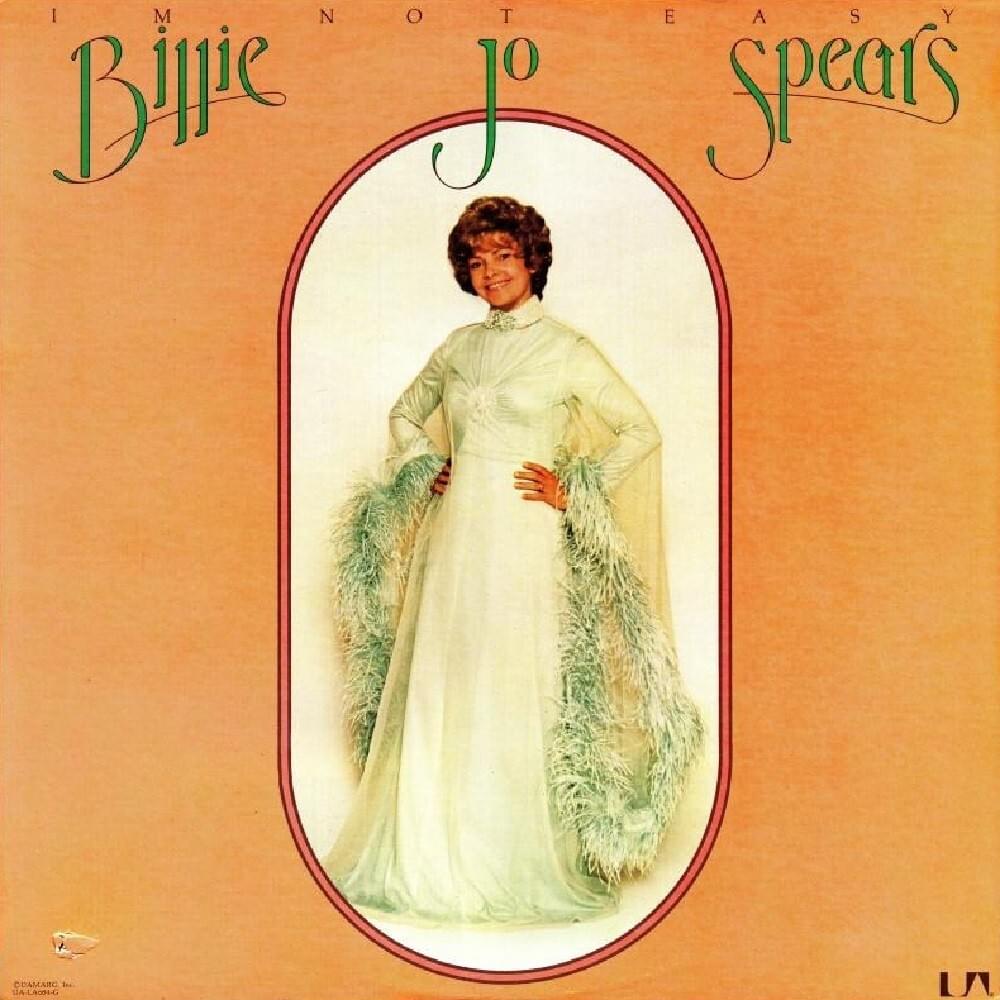
 View Artist