Song Meaning
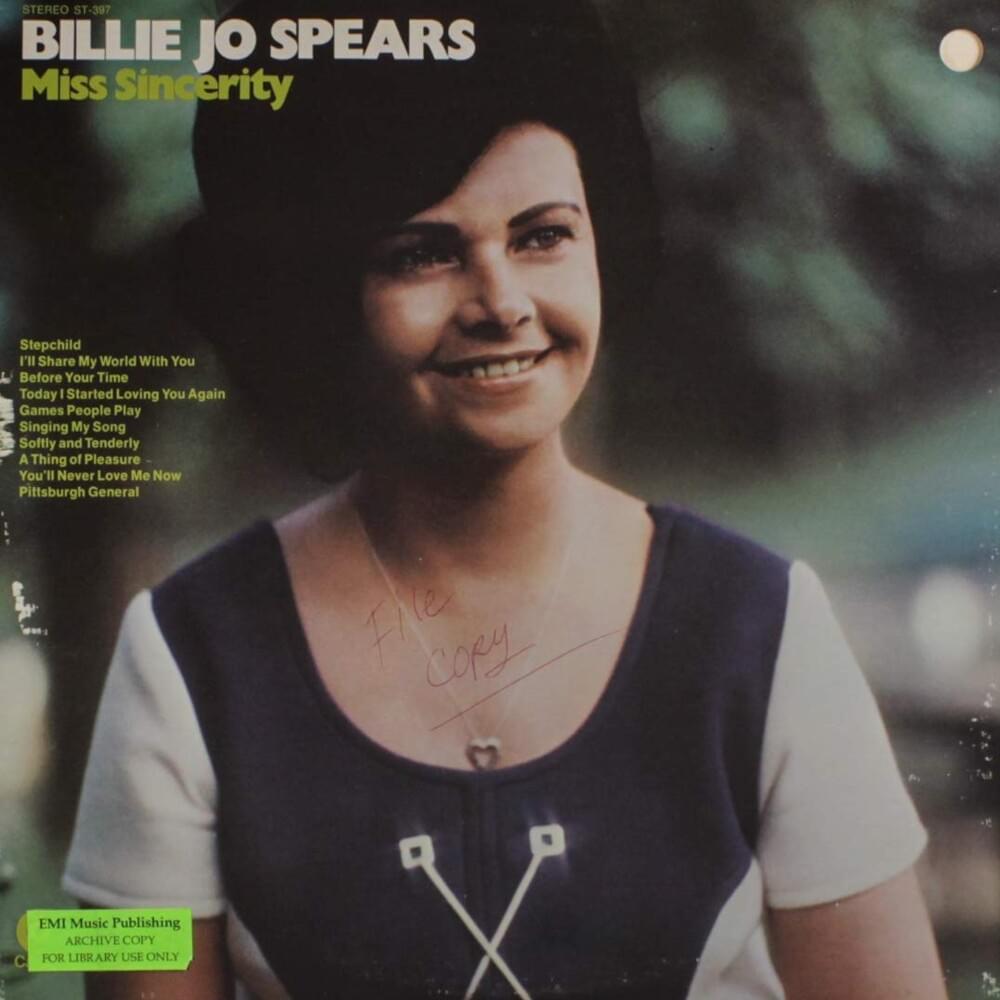
Billie Jo Spears's rendition of "Today I Started Loving You Again" isn't just a country lament; it's a masterclass in the cyclical nature of heartbreak. The song’s stark simplicity—both lyrically and musically—belies a profound understanding of how grief and longing operate on the human psyche. The opening line isn't a declaration of new love, but a weary admission of defeat. The singer isn't celebrating a reunion; she's confessing to being trapped in a loop, fated to relive the pain she thought she'd escaped. The 'today' isn't a specific date, but a recurring event, a constant return to square one. The song's power comes from this sense of inevitability, the feeling that some loves are so deeply etched into our being that they become inescapable patterns. The lyrics analysis reveals a narrative beyond simple romantic loss, touching on the psychological patterns of codependency and attachment.
The repetition within "Today I Started Loving You Again" serves as both the song's hook and its central metaphor. The phrase "I'm right back where I've really always been" speaks to a deeper truth about how we often recreate familiar emotional landscapes, even if those landscapes are painful. There’s a certain comfort, however twisted, in returning to a known state, even if that state is one of suffering. The short-lived respite from heartache, the brief period where the singer believed she had moved on, only serves to highlight the crushing weight of the relapse. The mention of "million tears" isn't mere hyperbole; it's a visceral representation of the emotional toll this cycle takes.
Ultimately, Billie Jo Spears doesn't offer any easy answers or resolutions. "Today I Started Loving You Again" is a raw, unflinching portrait of emotional recidivism, capturing the feeling of being perpetually haunted by a love that refuses to fade. It's not a song about finding closure, but about accepting the possibility that some wounds may never fully heal, and that the act of loving, even when painful, can become an addiction in itself. This song meaning resonates because it acknowledges the messiness and irrationality of the human heart, refusing to sanitize the experience of loss for the sake of a neat, tied-up ending.
 View Artist