Song Meaning
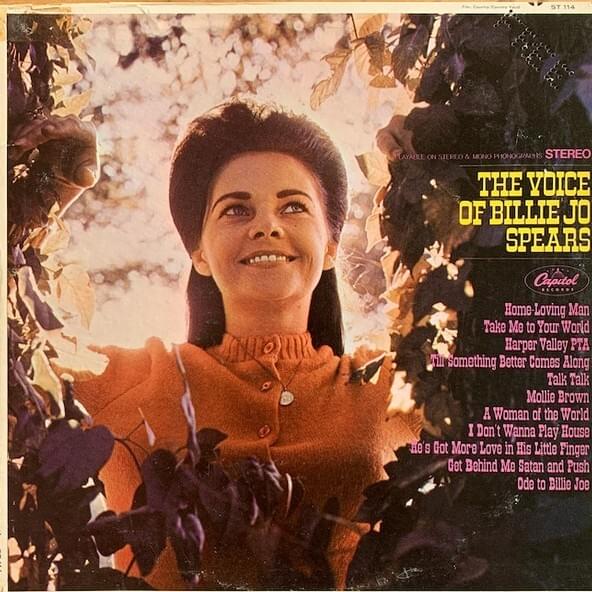
Billie Jo Spears cuts to the quick with "Home-Loving Man," a stark confession of a woman's regret and longing. The song's power lies not in elaborate metaphors, but in its raw, almost desperate simplicity. The opening lines establish the core conflict: a self-proclaimed "fool, fool woman" who traded the stability of home for a fleeting taste of something else, only to find it hollow. The "heartaches double price" line isn't just about romantic disappointment; it's a recognition of profound misjudgment, a bartering away of genuine affection for a counterfeit experience. This isn't a tale of abuse or oppression; it's a story of a woman's own agency leading her astray, a particularly sharp sting. The listener intuits her shame, not just at her actions, but at her lack of foresight. The song operates in a space of vulnerability rarely explored in mainstream country.
The repeated refrain, "I want my baby, I need my baby," underscores the depth of her yearning. It's a primal cry, stripped of any pretense or pride. The phrase "home loving man" itself becomes more than just a descriptor; it's an ideal, a symbol of the steadfast love she foolishly abandoned. The lyrics hint at a once-idyllic domesticity shattered by her impulsive departure. The "silly quarrel" and the "shamble of our happy home" suggest a trivial catalyst for a monumental mistake. The image of the parakeet calling the man's name adds a poignant touch, a reminder of the simple joys she's forfeited.
Ultimately, "Home-Loving Man" is a meditation on the true value of commitment and the enduring power of a stable, loving relationship. It's a cautionary tale, delivered with a level of emotional honesty that transcends its straightforward lyrics. The song's lasting appeal likely comes from its unflinching portrayal of a woman grappling with the consequences of her choices, a theme that resonates deeply with anyone who has ever questioned the path they've chosen. Billie Jo Spears doesn't offer easy answers or romanticized notions of freedom; instead, she presents a raw, vulnerable portrait of regret and the enduring allure of home.
 View Artist