Song Meaning
Billie Jo Spears' "Every Word I Write" isn't just a countrypolitan heartbreak ballad; it's a masterclass in cognitive dissonance, set to a mournful melody. The song's central tension lies in the chasm between intention and expression. The narrator, penning what's meant to be a definitive goodbye note, finds herself utterly betrayed by her own heart. Each carefully constructed phrase of liberation curdles into an involuntary declaration of love. It's the ultimate self-own, a poignant illustration of how deeply ingrained emotional patterns can sabotage even our most resolute decisions. The lyrics paint a picture of a woman desperate to escape a toxic relationship. She's "had enough" of being treated poorly, and logically, a clean break is the only solution. Yet, the act of writing, of attempting to articulate her pain and anger, short-circuits her resolve. The muscle memory of affection, the years of emotional investment, override her conscious desire for freedom.
The brilliance of "Every Word I Write" lies in its unflinching portrayal of emotional entanglement. It's easy to judge the narrator for her inability to leave, but Spears captures the agonizing reality of loving someone who hurts you. The line, "Every word I write comes out I love you," is repeated like a mantra, underscoring the inescapable power of her feelings. This isn't a simple case of weakness; it's a complex interplay of love, pain, and the desperate hope that things might somehow change. The song suggests a kind of Stockholm syndrome of the heart, where the victim's identity becomes inextricably linked to the abuser.
Ultimately, "Every Word I Write" transcends the typical breakup song. It delves into the psychological depths of love's enduring power, even in the face of mistreatment. The lyrics reveal a woman trapped not by external forces, but by the internal wiring of her own heart. The song's true meaning resides in the recognition that sometimes, the hardest goodbyes are the ones we can't bring ourselves to write, no matter how much we know we should. It's a raw, honest exploration of the messy, irrational, and often self-defeating nature of love.
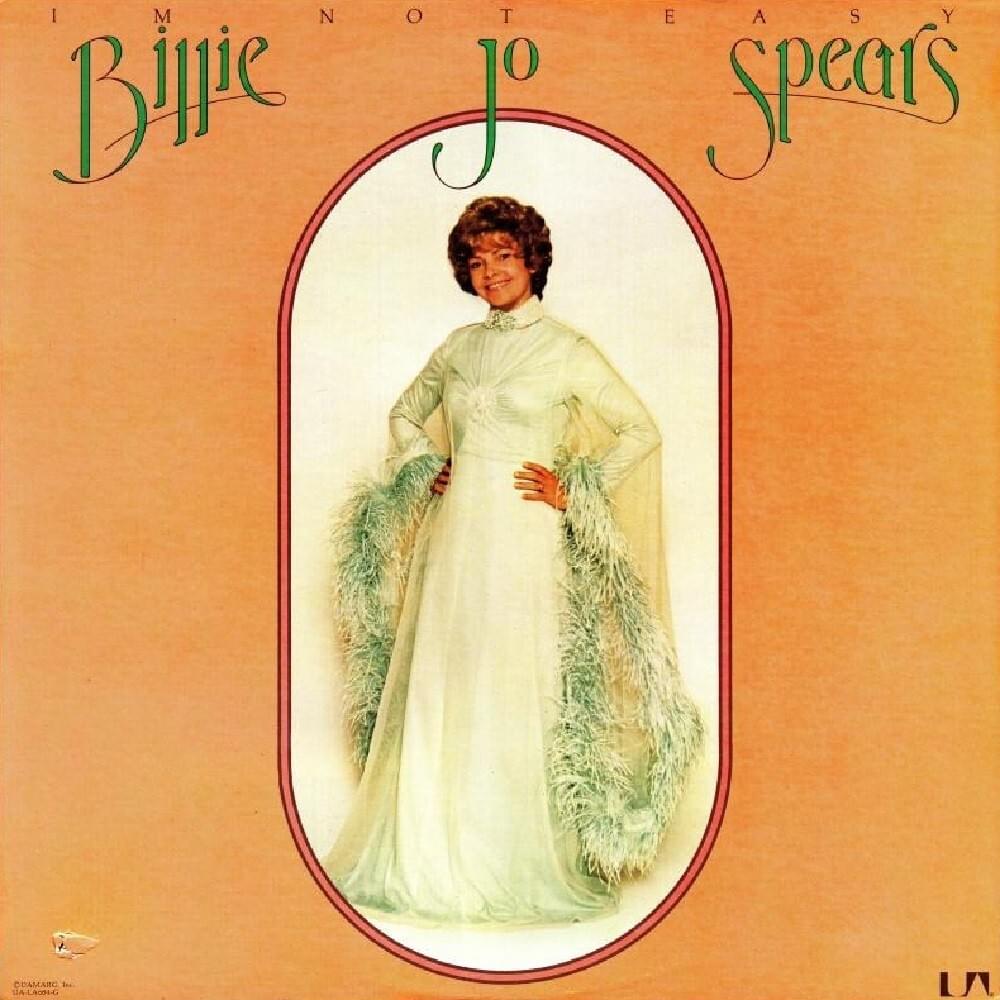
 View Artist