Song Meaning
Billie Jo Spears' "Daddy, I Love You" isn't just a country ballad; it's a raw, unflinching glimpse into the psyche of a child grappling with abandonment. The song immediately establishes a fractured family dynamic. The narrator, seemingly the eldest child, takes on a parental role, mentioning the younger siblings asleep and their mother working nights. This sets the stage for understanding the emotional weight the narrator carries; they are the family's anchor in the father's absence. The simple statement, "Money's hard to come by outside of that we're fine," speaks volumes about the sacrifices and quiet resilience of those left behind. The line about the little brother constantly talking about their father underscores the void he left, a constant reminder of the family's incompleteness. The song delicately treads the line between pain and unconditional love.
The core of "Daddy, I Love You" resides in the narrator's unwavering affection for her absent father, despite the circumstances. The repeated lines "Every night I say a little prayer that he'll keep watching over you / I know you think that no one cares but daddy I love you" serve as both a plea and a defiant declaration. It's a child's desperate attempt to bridge the emotional chasm created by his departure. There's a subtle but powerful accusation embedded within those lines; it suggests the father believes himself unworthy of love or care. Yet, even knowing this, the narrator persists in offering her unwavering devotion. This dynamic highlights a common psychological phenomenon: children often internalize a parent's failings, blaming themselves or desperately seeking to fill the void.
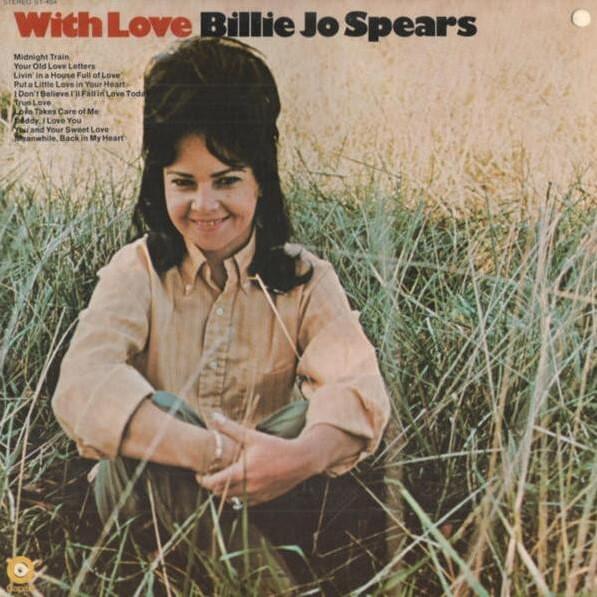
Spears' delivery adds another layer to the song's meaning. There's a quiet strength and vulnerability in her voice that perfectly captures the narrator's complex emotions. The lines, "I've never once heard mama say who was right or wrong / I just came home from school one day and she told me you were gone," are delivered with a matter-of-factness that belies the underlying trauma. This lack of explicit judgment from the mother suggests a desire to protect her children, even at the cost of her own pain. Ultimately, "Daddy, I Love You" transcends the typical country song trope. It's a poignant exploration of a child's enduring love, forgiveness, and the psychological impact of parental absence.
 View Artist